
Best tower fan
The best tower fans, on published watts and decibels
DC versus AC motors, with published wattages and decibel figures, plus what each costs over a month of nights.
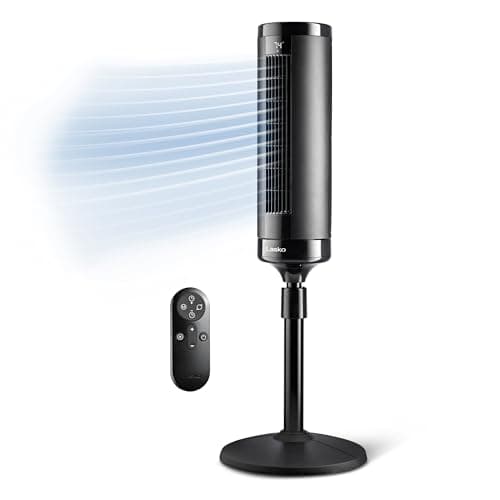
Top pick
Lasko EcoQuiet 42" DC Tower Fan
Fans
A fan does not lower the temperature of a room. Knowing what it does instead is the difference between spending $40 well and spending $200 badly.
The short answer
A fan does not cool a room — it moves air across your skin so you feel cooler. The only exception is a window fan, which exchanges hot indoor air for cooler outdoor air and genuinely lowers the temperature. Everything else is about getting airflow to where a person actually is, cheaply and quietly.
Fan & Frost earns a commission when you buy through our links, at no cost to you. It never changes a ranking, and we say so when the right answer is the cheaper unit or nothing at all. Full disclosure · How we pick.
Start here
Almost every disappointment with a fan comes from one misunderstanding, so it is worth being blunt about it before any product is mentioned.
First principles
It moves air. It removes no heat from the space, and its motor adds a small amount, so strictly a fan makes a room very slightly warmer than it would otherwise be.
What it does is move air across your skin, which speeds evaporation of moisture and strips away the thin layer of warm air sitting against you. The effect is worth several degrees of perceived temperature — enough that people routinely raise a thermostat setting by 4°F with a fan running and notice no difference. That is real and valuable. It is just not the same thing as cooling.
Three consequences follow, and all three are practical:
The exception
Put a fan in a window, once the outdoor air is genuinely cooler than the indoor air, and it stops moving air around and starts exchanging it. Hot indoor air goes out, cooler outdoor air comes in, and the temperature of the room actually falls.
That makes a window fan the highest-value fan in most houses, and it comes with one hard rule: check a thermometer, not the feel of the air. Evening air feels cool long before it is cool — the light changes, there is a breeze, and it is still 86°F while your bedroom is 82°F. Opening up then makes things worse. In many climates the crossover is 9 or 10pm rather than dusk.
Exhaust from the highest, hottest window with another window open low on the opposite side of the house, and you are running a miniature whole-house fan for 31 watts.
The numbers
All wattages below are published by the manufacturer or certified by ENERGY STAR. Costs are our arithmetic at 18.34¢/kWh, the US average residential rate.
| Fan type | Published watts | 30 × 8-hr nights |
|---|---|---|
| Ceiling fan, low | 1.8 W | 7.9¢ |
| DC tower fan, low | 2.9 W | 13¢ |
| Ceiling fan, high | 13.9 W | 61¢ |
| DC tower fan, high | 19 W | 84¢ |
| Twin window fan, high | 31 W | $1.36 |
| Table fan, high | 32 W | $1.41 |
| AC tower fan, high | 49 W | $2.16 |
| 20-inch box fan, high | 102 W | $4.49 |
| High-velocity air mover | 178 W | $7.83 |
The spread is the point. A ceiling fan on low costs about one-fiftieth of what a box fan costs for comparable comfort in a bedroom, and the reason is geometry rather than brand: a 52-inch blade turning slowly displaces far more air per watt than a 20-inch blade spinning fast.
If you own the room and the ceiling can take one, a ceiling fan is the best cooling purchase available to you, and it is not close.
A warning about specs
Unlike ceiling fans, portable fans have no certification program and no common test procedure. There is no equivalent of ENERGY STAR’s certified CFM-per-watt figure, so what you can compare depends entirely on what each manufacturer chooses to publish — and that varies enormously.
Some concrete examples from the pages in this section:
So where a page here says not published, that is the honest state of the information rather than an omission on our part. We rank on what is genuinely comparable and mark the gaps, and we do not estimate the missing numbers.
Choosing
And if the honest answer is that a fan is not enough, the room-by-room pages work through the whole sequence — blinds, airflow, then hardware — in order of how much each step actually does.
Everything in Fans
Prices are live from Amazon where we hold them and read “check price” where we don’t. Nothing here shows a number we cannot verify today.
Best tower fan
DC versus AC motors, with published wattages and decibel figures, plus what each costs over a month of nights.
Top pick
Lasko EcoQuiet 42" DC Tower Fan
Best box fan
Published wattages, the cost of running one, and the window placement that turns a box fan into real cooling.
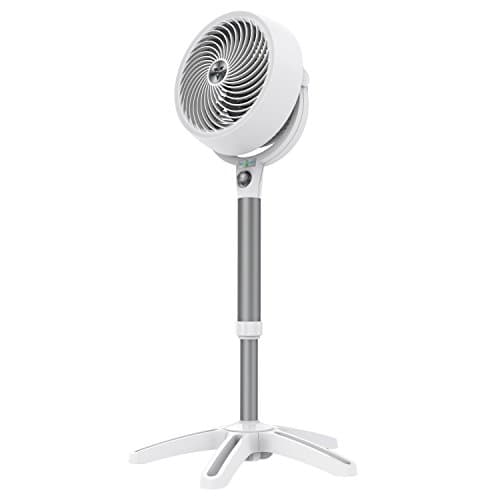
Best pedestal fan
Adjustable height and reach, honestly assessed — including the fact that nobody publishes the wattage.
Top pick
Vornado 683DC Energy Smart Medium Pedestal Air Circulator
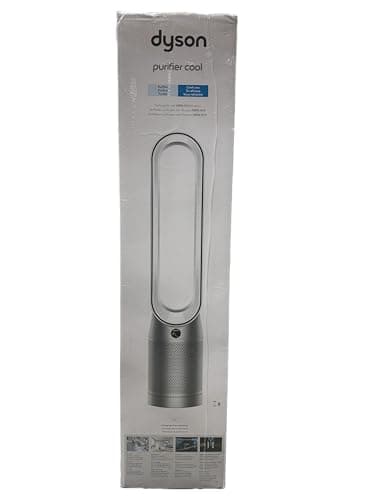
Best bladeless fan
What the bladeless design actually buys you, what Dyson publishes and does not, and the cheaper alternatives.
Top pick
Dyson Purifier Cool TP07
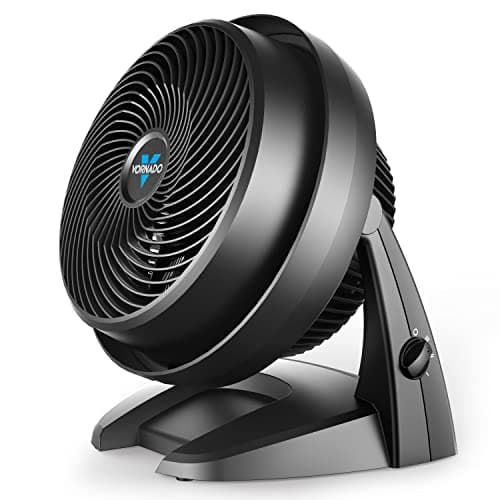
Best floor fan
Circulators, box fans and air movers compared — reach, spread and velocity are three different things.
Top pick
Vornado 630 Medium Air Circulator

Best window fan
Real cooling for 31 watts, plus the thermometer rule that decides whether it works or backfires.

Best desk fan
Why a small fan close to you beats a big one far away, with published wattages and noise figures.
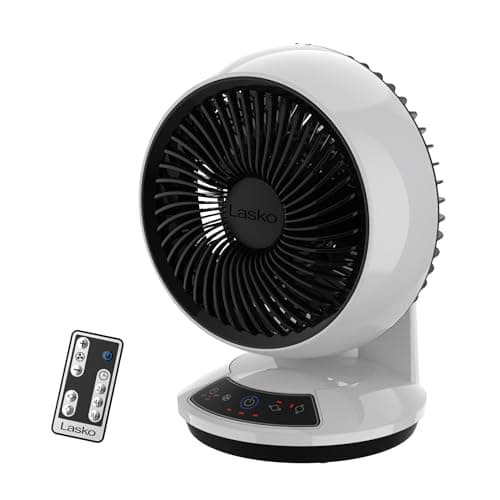
Top pick
Lasko Whirlwind Tilt 12" Table Fan

Quietest fan
The fans that actually publish a dBA figure, what each number means at bedside, and why steadiness beats silence.
Top pick
Lasko EcoQuiet 42" DC Tower Fan

Best for a large room
Reach versus volume in a big space, and why one large ceiling fan beats every floor fan on both.
Top pick
Visual Comfort Kingston 72" LED Ceiling Fan

Best bedroom fan
Height and reach versus published specs and quiet. A decision table, and which wins in which room.
Top pick
Lasko EcoQuiet 42" DC Tower Fan
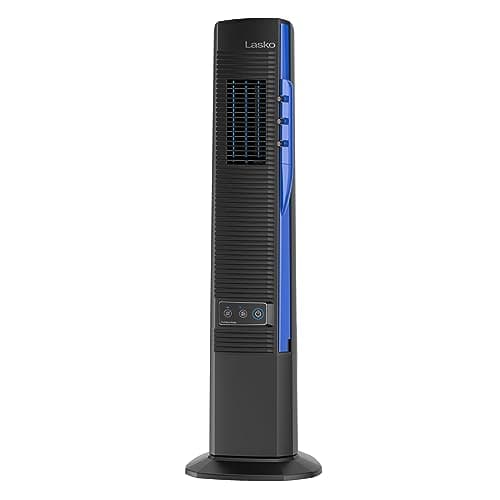
Best misting fan
Misting fans compared on published CFM and watts, with the humidity threshold that decides whether they work at all.
Top pick
Lasko Misto 42" Outdoor Misting Tower Fan

Best smart fan
What a Wi-Fi fan genuinely adds, what it costs in standby, and the non-smart alternative that runs cheaper.
Top pick
Lasko Aria 40" Smart Wi-Fi Tower Fan
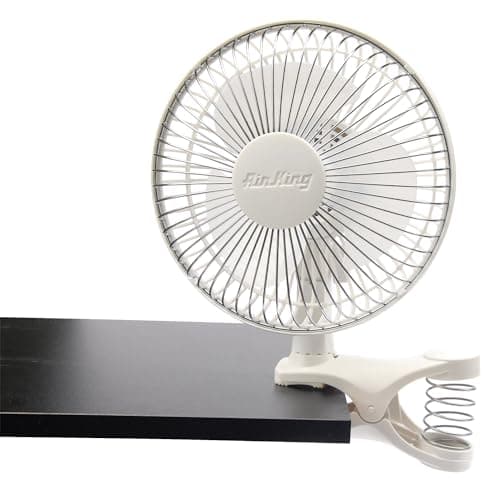
Best clip-on fan
Mounting, not power: 190 CFM on 12 W with published dBA, plus where a clip beats a base.
Top pick
Air King 6" Commercial Grade Clip-On Fan
Guide
The CFM formula for fan sizing, worked for common rooms, plus why most published fan specs cannot be compared.
Top pick
Lasko EcoQuiet 42" DC Tower Fan

Guide
Why dust makes a fan loud rather than just dirty, and how to clean each type without breaking it.

Best DC fan
The DC premium, costed: wattage, speed count and noise compared on two near-identical fans from one brand.
Top pick
Lasko EcoQuiet 42" DC Tower Fan

Best oscillating fan
Published arc angles, wattage and dBA compared, and the trade oscillation makes that nobody spells out.
Top pick
Lasko EcoQuiet 42" DC Tower Fan
Best for white noise
Why steadiness beats quietness for sound masking, with published dBA spreads across the fans that report them.
Top pick
Air King 6" Commercial Grade Clip-On Fan
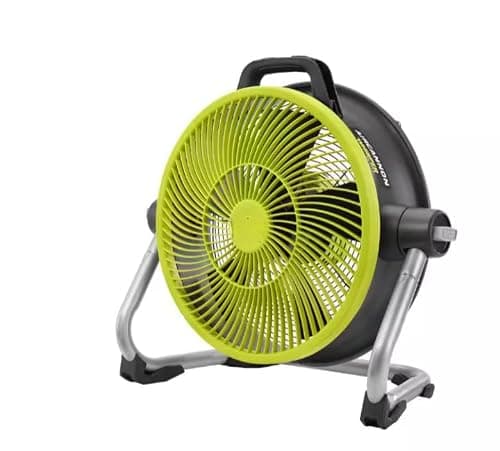
Best cordless fan
Published CFM and run times for battery fans, and why buying into a tool platform beats a sealed-battery consumer fan.
Top pick
Ryobi ONE+ 18V Hybrid Whisper Series 14" Air Cannon Fan

Head to head
Published wattage, noise and format compared — and the one job where a box fan is still the right answer.
Top pick
Lasko EcoQuiet 42" DC Tower Fan
Guide
Three placement strategies for three different goals, and the timing rule that decides whether a window fan helps or hurts.
Top pick
Vornado 630 Medium Air Circulator

Guide
Six symptoms mapped to their causes, what is worth repairing, and the maintenance that prevents most of it.
Top pick
Lasko EcoQuiet 42" DC Tower Fan

Guide
The mechanism, the one exception that genuinely lowers air temperature, and what it means for what you buy.
Top pick
Lasko EcoQuiet 42" DC Tower Fan
Guide
Every published noise figure on this site in one table, why sones and decibels differ, and where the data simply does not exist.
Top pick
Lasko EcoQuiet 42" DC Tower Fan
Best circulator
What distinguishes a circulator, published throw distances, and the wattage gap the category refuses to fill.
Top pick
Vornado 630 Medium Air Circulator

Guide
Warranty across 1,398 certified fans, what actually fails, and the maintenance that changes the outcome.
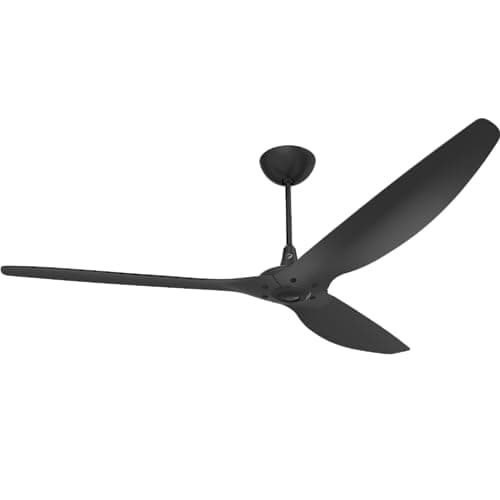
Top pick
Big Ass Fans Haiku MK-i61 84" Ceiling Fan

Guide
What an overnight run genuinely costs, the comfort issues that matter more, and why a timer is usually the wrong answer.
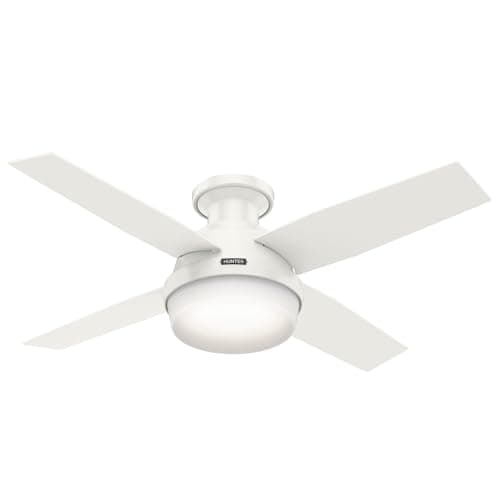
Top pick
Hunter Martindale 44" Ceiling Fan

Guide
The four real hazards ranked, which fan formats avoid them, and the placement rules that matter most.
Top pick
Hunter Martindale 44" Ceiling Fan

Best high-velocity fan
Published wattage and air speed for high-velocity fans, why velocity is expensive, and the jobs that justify it.
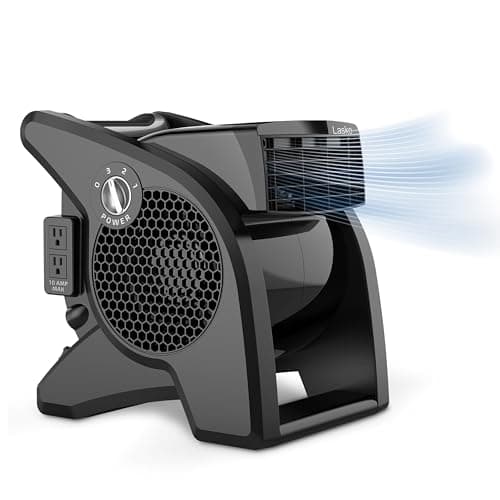
Top pick
Lasko Max Performance 15" Air Mover

Head to head
How bladeless fans work, the genuine advantages, and the published-data gap that makes them hard to compare.
Top pick
Dyson Purifier Cool TP07
Best filtering fan
Why a plain fan worsens allergy symptoms, which products actually filter, and the extraction route people forget.
Top pick
Dyson Purifier Cool TP07
Best wall-mount fan
What wall mounting buys you, the fans that support it, and the height and cord questions that decide the install.
Top pick
Lasko Whirlwind Tilt 12" Table Fan

The picks
Certified low-speed wattage and CFM per watt for bedroom fans, which noise ratings are real, and the cost of a whole summer.
Top pick
Hunter Martindale 44" Ceiling Fan

Guide
The actual physics with the numbers, why the freezer cancels it out, and what to do instead for a fraction of a cent.
Top pick
Hunter Martindale 44" Ceiling Fan
Guide
The exhaust setup, the cross-ventilation setup, and the four common arrangements that do nothing at all.

Best fan with a timer
Published timer ranges, what a remote is genuinely worth at each mounting position, and the fan that has an app but no remote.
Top pick
Lasko EcoQuiet 42" DC Tower Fan
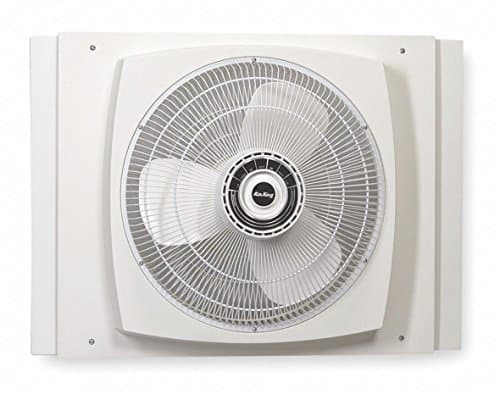
Best awkward-window fan
Why window fans do not fit sliders or casements, the two certified-by-nobody numbers that decide it, and the fans that still work.
Top pick
Air King 16" Whole House Window Fan
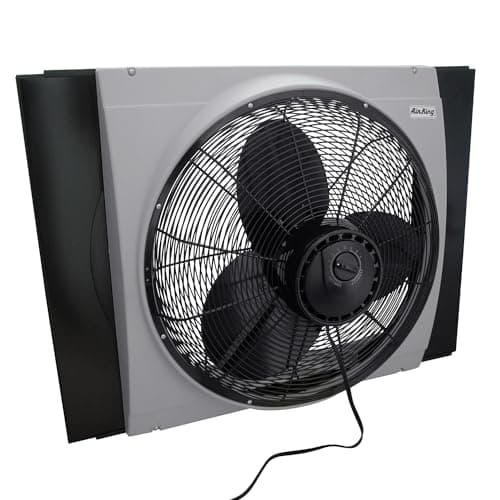
Best exhaust fan
Which window fans truly reverse, what each one moves, and why the fan is only half of an exhaust setup.
Top pick
Air King 20" Whole House Window Fan

Head to head
Published airflow, wattage and window fit for both formats, and the two jobs only one of them can do.
Guide
Ranked by how many decibels each fix is actually worth, using published figures rather than folklore.
Read the guide →
Head to head
Published airflow and wattage, what sealing the opening is worth, and the job each format genuinely wins.
Top pick
Air King 16" Whole House Window Fan

Head to head
What a circulator is actually designed to do, why the published specs cannot settle it, and which one your room needs.
Top pick
Vornado 630 Medium Air Circulator

Guide
Published amp draw by fan format, the watts-to-amps arithmetic, and what a fan means for a circuit, a generator or an inverter.

Guide
Why no box fan publishes a dBA figure, the published blade-speed number that substitutes for one, and the fan to buy if quiet is non-negotiable.
Top pick
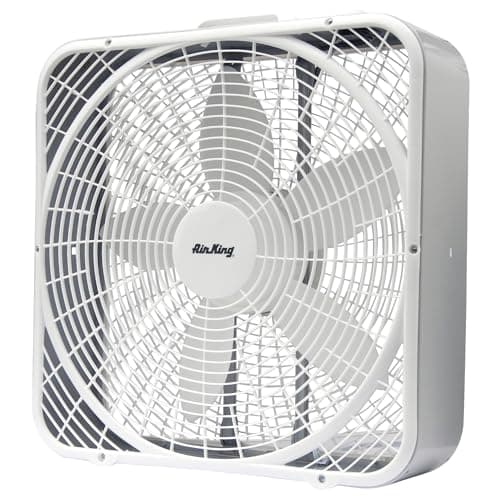
Air King 9723 20" Commercial Grade Box Fan
Most published airflow
The only published box fan airflow figure, what it costs to run, and the format to buy when 2,163 CFM is not enough.
Top pick
Air King 9723 20" Commercial Grade Box Fan
Lowest published draw
Every published box fan wattage, the efficiency that falls out of it, and the running cost per night on low.
Top pick
Air King 9723 20" Commercial Grade Box Fan

Guide
What box fans cost by tier, what the differences buy, and the five-year running cost that exceeds the purchase price.
Top pick
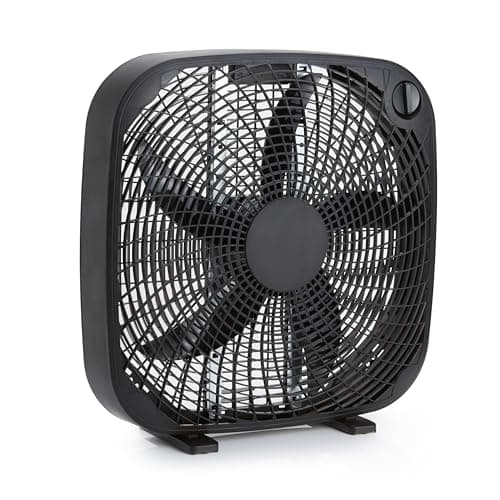
Amazon Basics 20" 3-Speed Box Fan
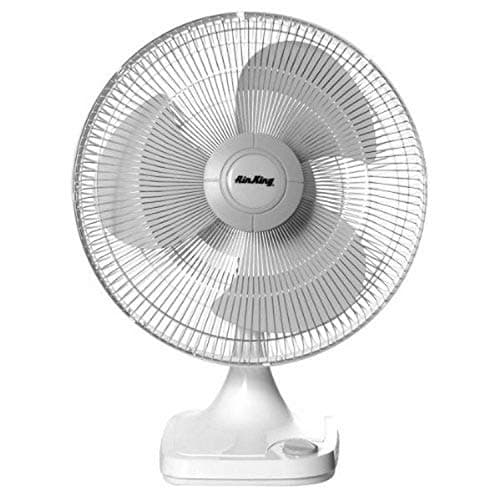
Most air on a desk
Published airflow for desk-sized fans, the noise that comes with it, and how much desk a powerful fan takes.
Top pick
Air King 9106 16" Commercial Grade Oscillating Table Fan

Best thermostat window fan
Which window fans publish a real temperature control, how adjustable and automatic differ, and what each one draws.

Guide
The size ceiling in every fan format, the published airflow at the top of each, and why 20 inches is where portable fans stop.
Top pick
Big Ass Fans Haiku MK-i61 84" Ceiling Fan
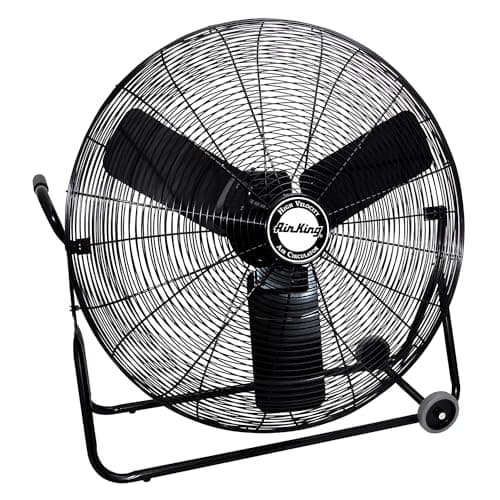
Best drum fan
Published CFM, watts and decibels for every model in the class, the efficiency inversion that makes the biggest one cheapest to run, and the noise that keeps it out of the house.
Top pick
Air King 9230 30" Industrial Grade Pivoting Drum Fan
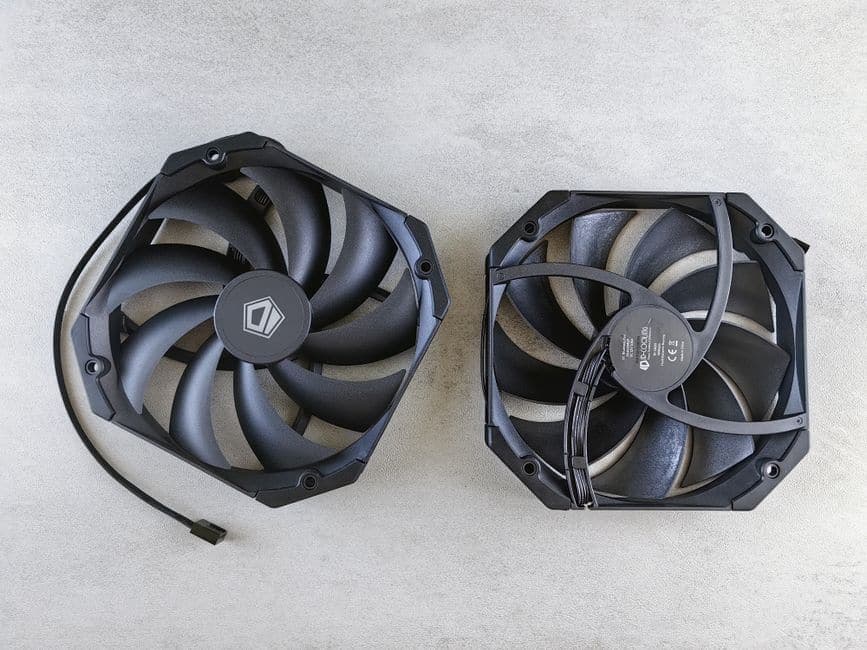
Head to head
Published airflow, wattage and blade geometry side by side, and which of the two 20-inch box fans is the better buy for a window, a room or a shop.
Top pick
Air King 9723 20" Commercial Grade Box Fan
Head to head
What the commercial box fan publishes that the budget one does not, the one figure the budget fan wins on, and which to buy by room.
Top pick
Air King 9723 20" Commercial Grade Box Fan

Head to head
Published airflow, wattage, decibels and the two window measurements that decide which of these will physically fit.
Top pick
Air King 16" Whole House Window Fan

Head to head
Published airflow, wattage, height and hose arrangement for both Misto fans, and which patio each one suits.
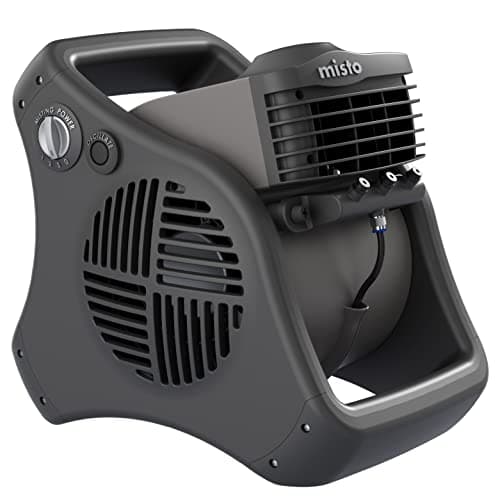
Top pick
Lasko Misto 15" Outdoor Misting Fan

Head to head
Published CFM, watts, decibels and blade speed for both, and whether height and mobility are worth two thirds of the airflow.
Top pick
Air King 9230 30" Industrial Grade Pivoting Drum Fan
Best fan brand
Which fan brands publish airflow, wattage and decibels, which publish nothing, and the efficiency ranges that follow from the ones that do.
Top pick
Air King 9723 20" Commercial Grade Box Fan
Best fan for drying laundry
Fans for an indoor airer ranked on published CFM per watt, what an overnight run costs in cents, and the one that is far too much fan.
Top pick
Air King 9723 20" Commercial Grade Box Fan
Questions people actually ask
No. A fan removes no heat and its motor adds a small amount, so it slightly warms the room. It cools you by moving air across your skin, speeding evaporation — which is worth several degrees of perceived temperature, but only for someone in the airstream.
A certified ceiling fan on low, at under 2 W — about 7.9¢ for thirty eight-hour nights. Among portable fans, a DC tower fan on low draws 2.9 W. A 20-inch box fan on high draws 102 W, roughly fifty times the ceiling fan.
Only a window fan, and only once the outdoor air is genuinely cooler than the indoor air. It exchanges hot indoor air for cooler outdoor air rather than moving air around. Check a thermometer before opening up — evening air feels cool long before it is. How to use one properly.
There is no certification program or common test procedure for portable fans, unlike ceiling fans where ENERGY STAR publishes certified CFM per watt. Where claims exist they are often in incompatible units — CFM, feet per minute, or a distance in feet — and cannot be compared.
Usually. Lasko's DC tower fan draws up to 19 W against 49 W for its AC-motor equivalent, publishes 23 dBA on low, and offers twelve speeds rather than three. Over a couple of summers the running cost difference covers much of the price gap.
Around 95°F. Above that the air moving over you is hotter than your skin, so it adds heat faster than the increased evaporation removes it. That is a real physiological limit and the point at which refrigeration becomes necessary.
Sources