Guide
Cost to run an evaporative cooler
Published wattage, our arithmetic, and the second running cost that does not appear on an electricity bill.
By Sawyer V. · Published
The short answer
About 37¢ for an eight-hour night on a mid-size machine. A 3,100 CFM cooler publishes 250 W; a 5,300 CFM one publishes 430 W. At 18.34¢/kWh that is 37¢ and 63¢ a night, or $11 and $19 across thirty. Water and replacement pads are extra, and neither is large.
Fan & Frost earns a commission when you buy through our links, at no cost to you. It never changes a ranking, and we say so when the right answer is the cheaper unit or nothing at all. Full disclosure · How we pick.
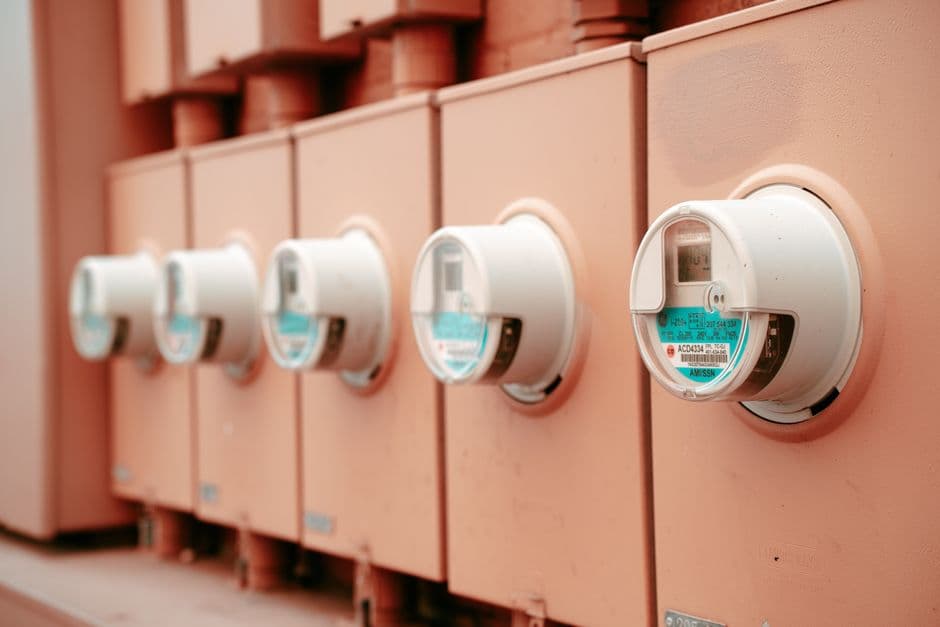
Electricity
What the published wattages cost
An evaporative cooler is a fan and a small water pump, so its draw is a fan’s draw plus a few watts. Manufacturers in this category publish wattage reliably, which makes the arithmetic exact rather than estimated.
| Machine | Power | 8-hour night | 30 nights | Season, 500 h |
|---|---|---|---|---|
| Honeywell CL25AE, 764 CFM | 235 W | 34¢ | $10 | $22 |
| Honeywell CO60PM, 2,697 CFM | 220 W | 32¢ | $9.68 | $20 |
| Hessaire MC37M, 3,100 CFM | 250 W | 37¢ | $11 | $23 |
| Hessaire MC61M, 5,300 CFM | 430 W | 63¢ | $19 | $39 |
Note what is not in that table: a relationship between size and power. The 764 CFM indoor machine draws more than the 2,697 CFM outdoor one. Evaporative coolers are not sold on efficiency and nobody certifies them, so airflow per watt varies by nearly four to one across the category. Dividing published airflow by published wattage: 12.4 CFM per watt for the MC37M, 12.3 for both the CO60PM and the MC61M, and 3.3 for the small indoor CL25AE.
This one is not a DIY job
Water
The cost nobody quotes
An evaporative cooler consumes water permanently: every drop it uses leaves as vapor. How much depends on how hard it is working, and manufacturers publish tank size rather than consumption rate, so the honest way to price it is by tank-fills.
A 10.3 gallon tank emptied once a day for thirty days is 309 gallons a month. Municipal water in the United States is billed per thousand gallons or per hundred cubic feet, and rates vary enough by utility that a national average would mislead more than it informs — look up your own rate and multiply. For most households the answer lands in the small single digits of dollars per month, which is why this rarely changes a decision.
Two things do change decisions:
- Metered sewer charges. Some utilities bill sewer volume from water volume. Water that evaporates never reaches the sewer, but you may still be charged for it.
- Hard water. Minerals stay behind when the water leaves, coating the pads and the reservoir. That is a maintenance cost rather than a water cost, and it is the main reason pads need replacing on schedule.
The full picture on consumption rates by machine is in evaporative cooler water usage.
Consumables
Pads, and the honest maintenance line
Cooling pads are the one part that wears out on schedule. They collect mineral scale and dust, which reduces saturation efficiency — the machine keeps running, it just cools less — and eventually they go stiff or grow biological films that smell.
Manufacturers sell replacement media by model; Hessaire publishes a media set for the MC37M line, for instance. Budget one set a season in hard water and every couple of seasons in soft, and treat a machine that smells as a pad problem until proven otherwise — the diagnosis is in why a swamp cooler smells, and the replacement intervals are in evaporative cooler pads.
The comparison
Against an air conditioner, honestly
At 37¢ a night against roughly 78¢, an evaporative cooler looks like it costs a third of an air conditioner to run. That number is true and the comparison is not, for two reasons.
- They do not deliver the same thing. An air conditioner removes heat from the room to a set temperature in any weather. An evaporative cooler drops the air temperature by an amount that depends entirely on how dry the outside air is, and adds moisture doing it.
- The air conditioner is not running continuously. Certified units cycle; an 8,000 BTU model is certified at around 375 kWh for a whole cooling season, not for continuous operation. That is the number to compare against, and it is in what a window air conditioner costs to run.
Where the comparison is fair — a dry climate, a ventilated space, a machine sized to the area — the evaporative cooler wins on running cost by a wide margin and loses on capability. The category-level version of this argument is evaporative cooler versus air conditioner, and the site-wide ranking is in the cheapest cooling to run.
Say the unwelcome thing
Do not buy on the 'costs pennies to run' claim alone.
It is true — and it is true of a box fan as well, at a tenth of the purchase price. The running cost only matters once the machine is the right answer for your climate, and in humid regions it is not the right answer at any running cost.
Check the climate question first. If your afternoon relative humidity sits below about 50%, 250 watts and a garden hose hookup is an extremely cheap way to cool a shop or a patio. If it does not, the cheapest machine to run is the one you do not buy.
Questions people actually ask
Frequently asked
How much does it cost to run a swamp cooler per hour?
At the national average rate, a 250-watt machine costs about 4.6 cents an hour and a 430-watt one about 7.9 cents. Those are published wattages for 3,100 CFM and 5,300 CFM mobile coolers, so the arithmetic is exact rather than estimated.
Do evaporative coolers use a lot of electricity?
No. Published draws run from about 220 to 430 watts, which is a fan plus a small pump — roughly half of what an 8,000 BTU window air conditioner draws while running, and several times what a window fan uses. Every cooling method, costed.
How much water does an evaporative cooler use per month?
It depends on how hard it works, and manufacturers publish tank size rather than a consumption rate. As a working figure, emptying a 10.3 gallon tank daily is 309 gallons a month. Price it against your own utility's rate per thousand gallons.
Is an evaporative cooler cheaper than an air conditioner?
To run, yes, by a wide margin in the right climate. To compare properly, use the air conditioner's certified seasonal kWh rather than assuming it runs continuously, and remember the two machines do not deliver the same result in humid weather.
What else costs money on an evaporative cooler?
Replacement pads, which scale up in hard water and lose saturation efficiency as they do. Budget a set each season where water is hard. Nothing else in the machine is consumable — there is no refrigerant, no compressor and no filter subscription. Pads and replacement intervals.
Sources
Where these numbers came from
- Hessaire product page, MC37M — 3,100 CFM, 250 W / 2.4 A, 10.3 gallon tank with continuous hookup
- Hessaire product page, MC61M — 5,300 CFM, 430 W / 4.3 A
- Honeywell product page, CO60PM — 2,697 CFM, 220 W indoor/outdoor evaporative cooler
- Honeywell product page, CL25AE — 764 CFM, 235 W indoor evaporative cooler
- Hessaire replacement media set for the MC37M — the published consumable for this line
- EIA Electric Power Monthly, Table 5.3 — average residential electricity price
Read next
Where to go from here
Back to Evaporative Coolers, or read how we pick.