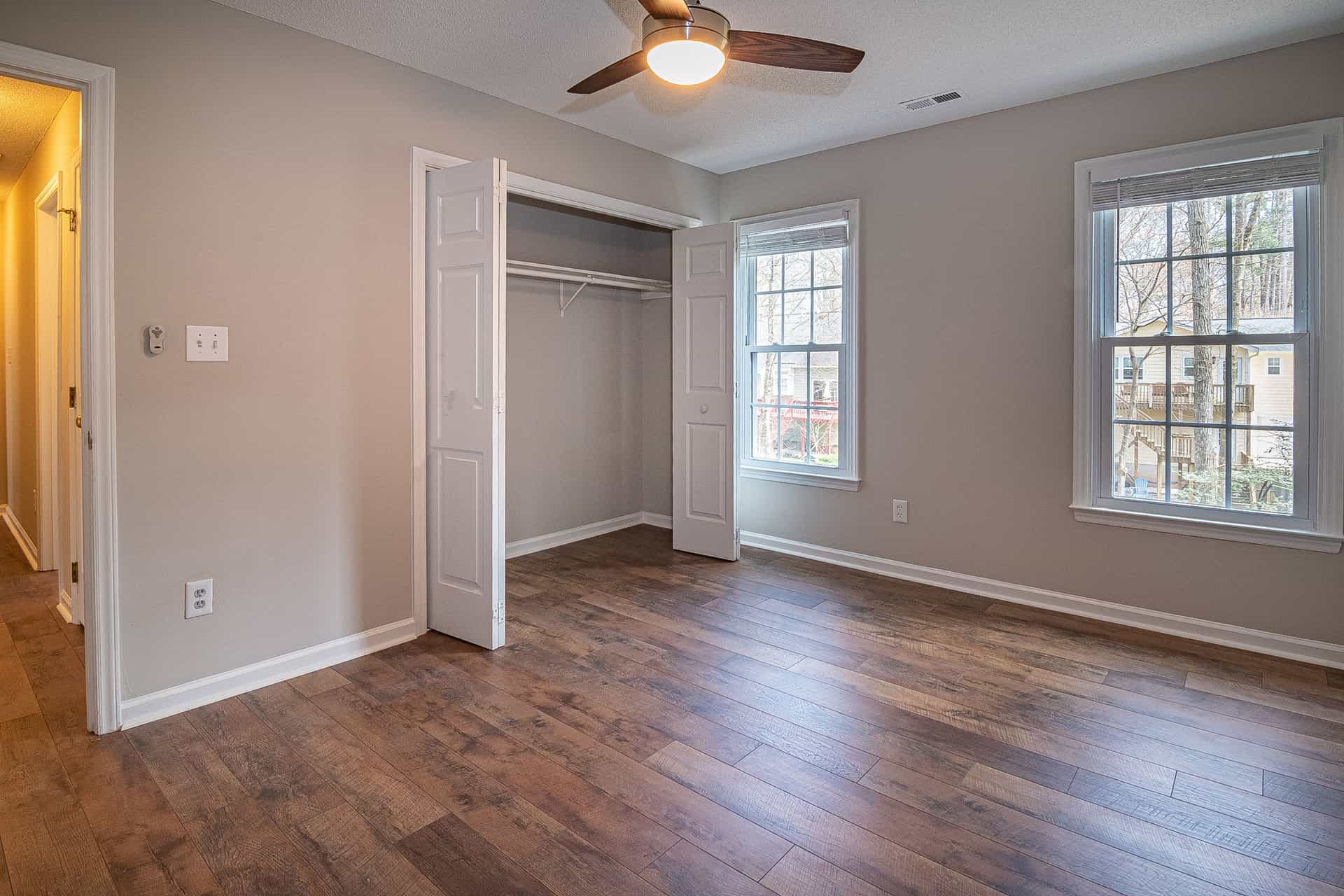
Best ceiling fan
The best ceiling fans, ranked on certified CFM per watt
Six fans ranked on ENERGY STAR certified CFM per watt, with real per-month costs and the standby-power trap.
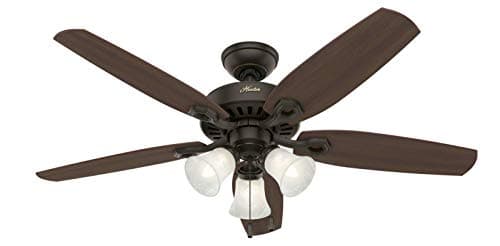
Top pick
Hunter Vespucci 52" Ceiling Fan
Whole-House Airflow
The permanently installed end of the category — cheapest to run of anything here by an order of magnitude, and the one place where certified efficiency data is genuinely decisive.
The short answer
A certified ceiling fan on low draws under 2 watts — about 7.9¢ for a month of nights, roughly one-fiftieth of a box fan. A whole-house fan exchanges your whole house’s air with outdoor air, and is worth installing only if your nights drop below about 70°F. An attic fan cools the attic, and works regardless of your overnight lows.
Fan & Frost earns a commission when you buy through our links, at no cost to you. It never changes a ranking, and we say so when the right answer is the cheaper unit or nothing at all. Full disclosure · How we pick.
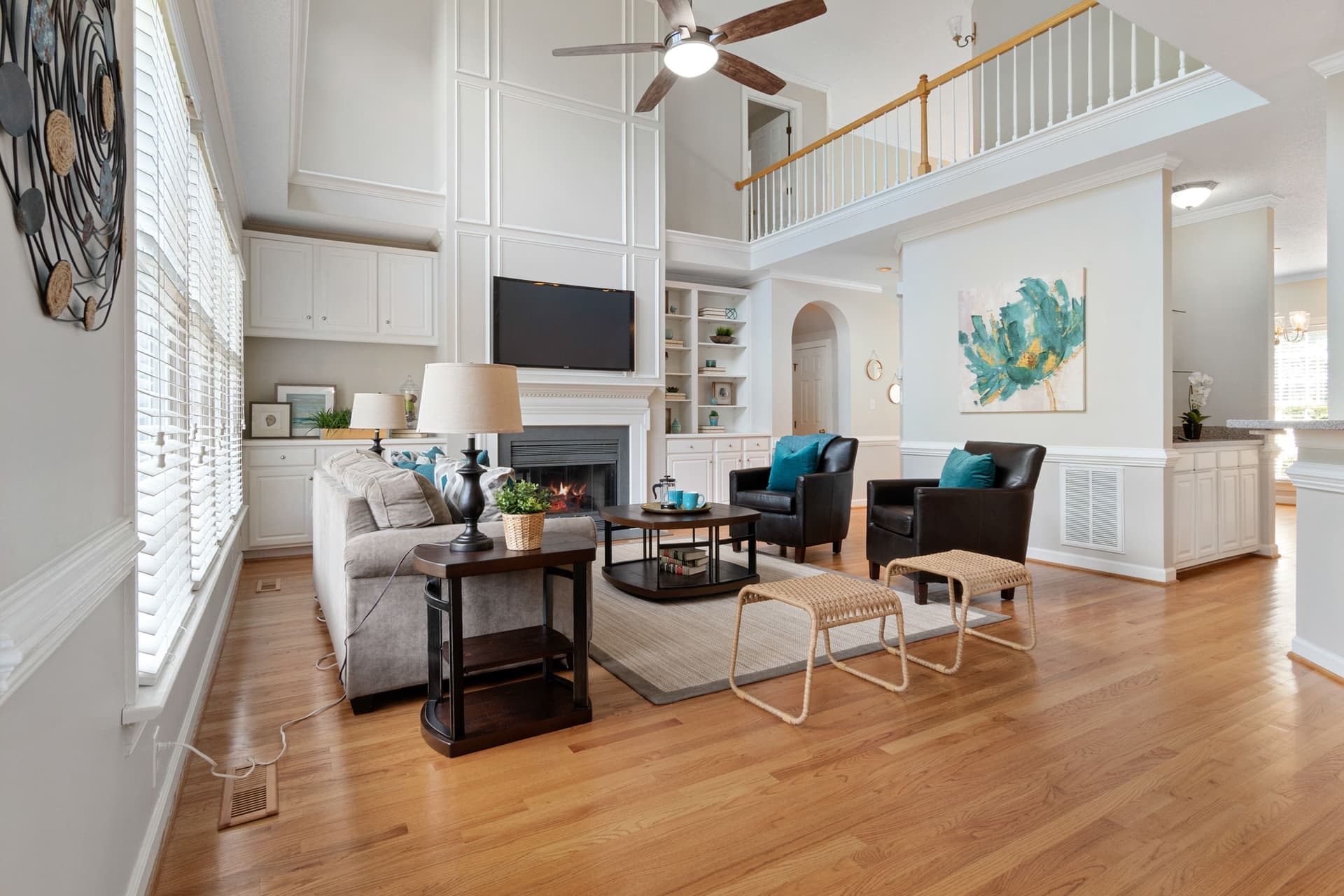
Start here
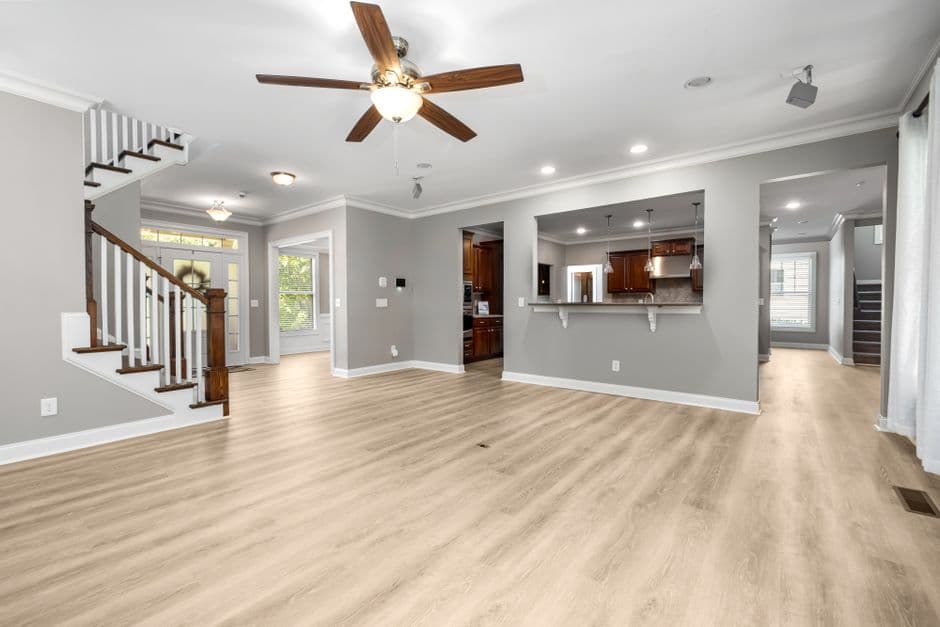
This section covers the equipment that gets installed rather than plugged in: ceiling fans, whole-house fans and attic fans. They have very little in common mechanically, and it is worth separating them clearly, because they get confused constantly and they solve different problems.
Three different machines
They are complementary rather than alternatives. A house in the right climate can sensibly have all three.
The data
This is the one category where the useful data is completely public. ENERGY STAR certifies ceiling fans and publishes, for every certified model, the tested CFM per watt, the wattage at high and low speed, and the standby wattage. A manufacturer cannot write its own CFM/W figure.
We pulled every US-market certified fan available from 2023 onward — 987 models — and what comes out is that blade count, blade shape and price tell you almost nothing, while the certified efficiency figure tells you almost everything. Two fans that look identical on a shelf can differ by 35% on it.
| Device | Watts | 30 × 8-hr nights |
|---|---|---|
| Ceiling fan, low | 1.8 W | 7.9¢ |
| Ceiling fan, high | 13.9 W | 61¢ |
| DC tower fan, high | 19 W | 84¢ |
| 20-inch box fan, high | 102 W | $4.49 |
| Evaporative cooler | 220 W | $9.68 |
| Portable air conditioner | 1300 W | $57 |
Ceiling fan wattages from the ENERGY STAR certified dataset, others from manufacturer pages; costs are our arithmetic at 18.34¢/kWh.
A ceiling fan on low costs about 7.9¢ for a month of nights. That is roughly one-fiftieth of a box fan for comparable comfort, and the reason is blade diameter rather than brand: a 52-inch blade turning slowly displaces an enormous volume of air for very little energy.
Efficiency also rises with size — the best figure in the whole certified dataset, 385 CFM per watt, comes from a 72-inch fan. The full ranking, with sizing guidance, is here.
The free fix
If you already have a ceiling fan and it feels like it is doing nothing, check this before anything else. In summer a ceiling fan should turn counterclockwise viewed from below, pushing air straight down onto you.
Clockwise is the winter setting: it pulls air up the middle of the room and pushes warm ceiling air down the walls without creating a draft. Useful in January, close to useless on a hot day.
Stand directly underneath on high speed. If you feel air on your face and arms, it is right. If you feel almost nothing, it is on the winter setting and there is a small switch on the motor housing that fixes it in ten seconds. Full instructions here.
One more free thing: turn it off when you leave the room. A ceiling fan does not lower the temperature, so in an empty room it is doing nothing at all except adding a little motor heat.
The bigger version
A whole-house fan can exchange the entire air volume of a house every two to three minutes. On the right evening it takes a house that has been baking all day down to outdoor temperature within the hour, and it flushes the attic on the way through — which is often the larger benefit.
But it is a fan, so it can never cool below the outdoor temperature. Which makes the decision a single lookup: your average summer overnight low.
You can test the idea for the price of a fan you keep using: once the outdoor temperature is genuinely below indoor, put a window fan in an upstairs window blowing out and open windows downstairs on the opposite side. If the house cools noticeably over an hour, a whole-house fan will do the same far faster. The full test and the running-cost math are here.
The attic
An attic under a dark roof in summer sun gets far hotter than the outdoor air, and that mass sits directly above your upstairs ceilings radiating heat downward all afternoon and evening — continuing long after sunset, because the roof structure holds heat.
Crucially this is radiant heat, not air movement. No fan inside the room addresses it, because you are being warmed by a hot surface above you rather than by hot air around you. It is why an upstairs bedroom can feel oppressive at 11pm with the air temperature reading fine.
The fixes, cheapest first: improve attic ventilation (ridge and soffit vents, entirely passive), add attic insulation (which also pays back in winter), or fit an attic fan to actively exhaust it. Unlike a whole-house fan, an attic fan works regardless of what your overnight lows do.
The upstairs page has a ten-minute diagnosis that tells you whether attic heat is actually your problem — touch the ceiling at 4pm, and if it is warm, it is.
This one is not a DIY job
Whole-house fan and attic fan installation is licensed-professional work. A whole-house fan means cutting an opening through a ceiling, framing it and wiring the unit; an attic fan means cutting a roof or gable and wiring in an attic. Neither is a weekend job.
The thing to ask a contractor about is attic exhaust venting. A whole-house fan has to push a very large volume of air out of the attic, and most attics are not vented for it — undersized venting means the fan cannot reach its rated airflow and can push air back into the house. Ask for the net free vent area their unit requires and confirm your attic has it.
Ceiling fan installation is more approachable, but it is still electrical work at height on a fixture that must be mounted to a fan-rated box. If you are not confident about the box, get it checked.
Everything in Whole-House Airflow
Prices are live from Amazon where we hold them and read “check price” where we don’t. Nothing here shows a number we cannot verify today.
Best ceiling fan
Six fans ranked on ENERGY STAR certified CFM per watt, with real per-month costs and the standby-power trap.
Top pick
Hunter Vespucci 52" Ceiling Fan

Guide
Counterclockwise in summer, and how to check yours in ten seconds without getting a ladder.
Top pick
Hunter Vespucci 52" Ceiling Fan

Guide
Your overnight low decides it. The temperature test, the running-cost math, and a $30 way to test the idea first.
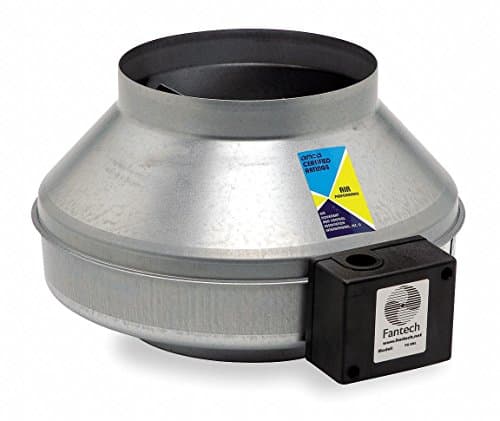
Best garage exhaust
Certified ventilating fans compared on CFM, efficacy and sones — plus why a box fan in the doorway is not exhaust.
Top pick
Fantech FG 8 Series In-Line Fan

Head to head
The mechanism difference, the depressurization risk nobody mentions, and certified CFM-per-watt data that reframes both.
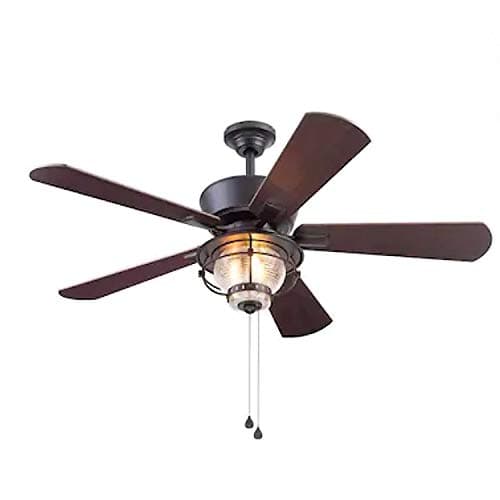
Top pick
Harbor Breeze Cando 84" Ceiling Fan
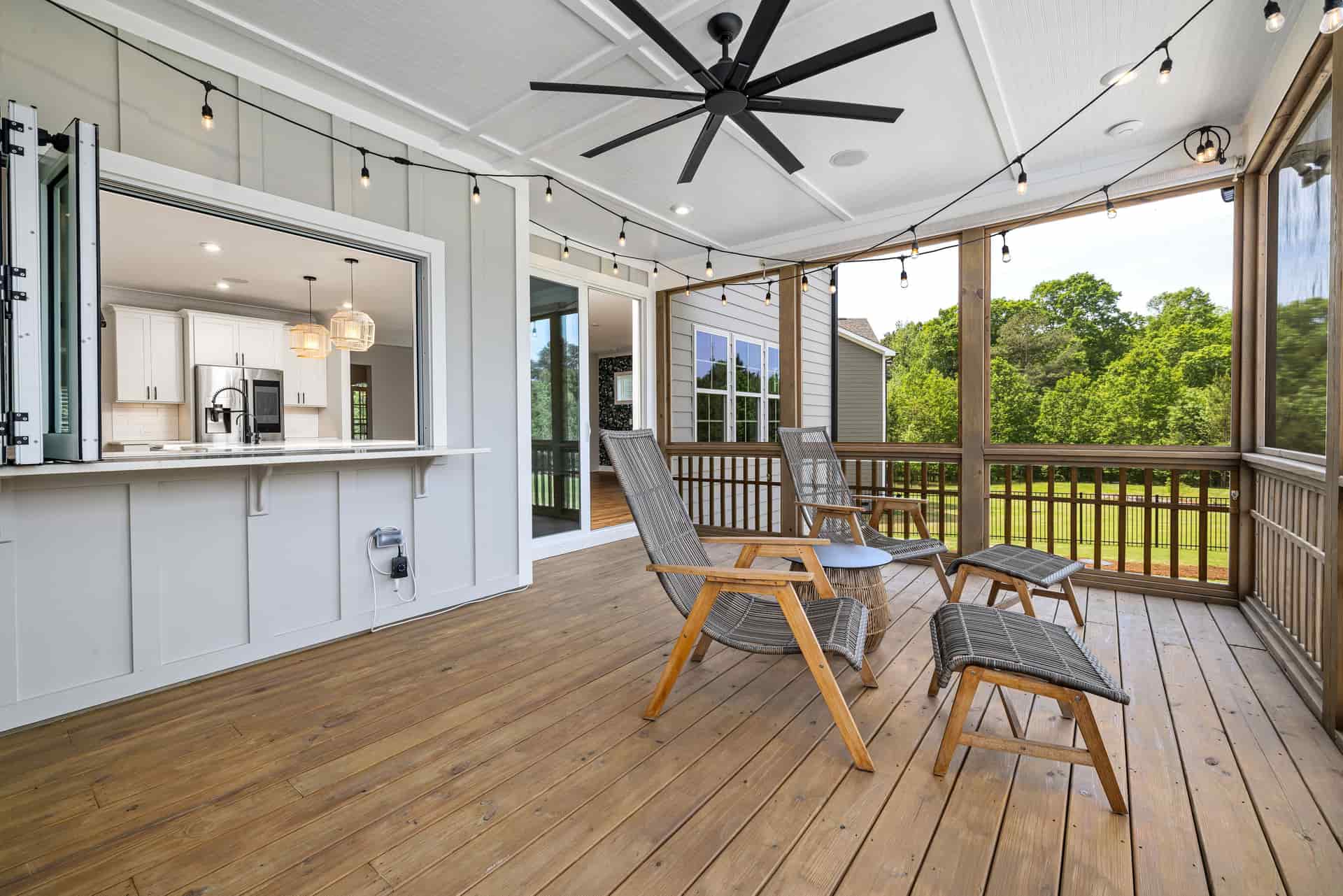
Best outdoor fan
Certified CFM-per-watt for outdoor-rated fans, and the damp-versus-wet distinction the datasets do not record.
Top pick
Harbor Breeze Cando 84" Ceiling Fan

Best small-room fan
Certified 42 and 44 inch fans compared, the efficiency penalty small spans carry, and the real cost of a flush mount.
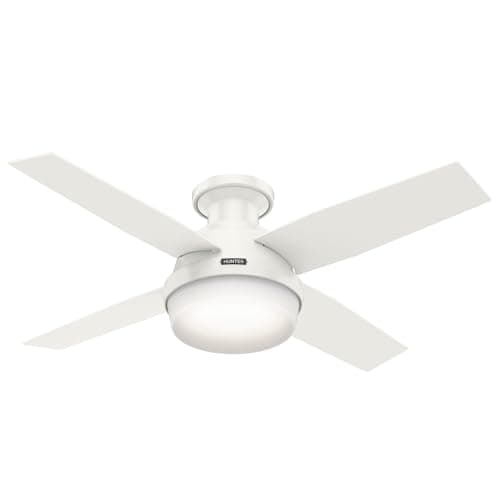
Top pick
Hunter Martindale 44" Ceiling Fan
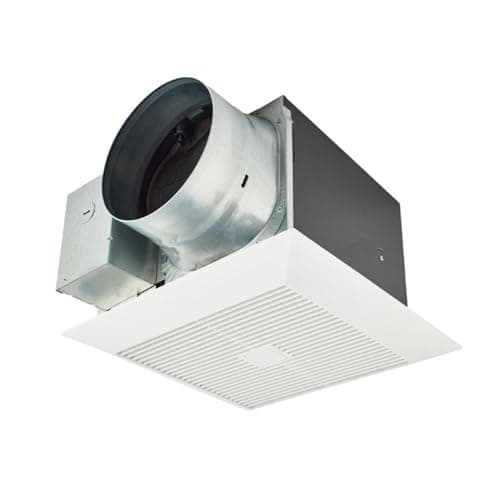
Best bathroom fan
905 certified fans analyzed: why quiet fans are also the efficient ones, and why 72% move air cheapest below full speed.
Top pick
Panasonic WhisperGreen Select FV-0511VK3 Ventilation Fan

Best in-line fan
Certified in-line fans compared on CFM, efficacy and duct size, plus why none of them publish a sone rating.
Guide
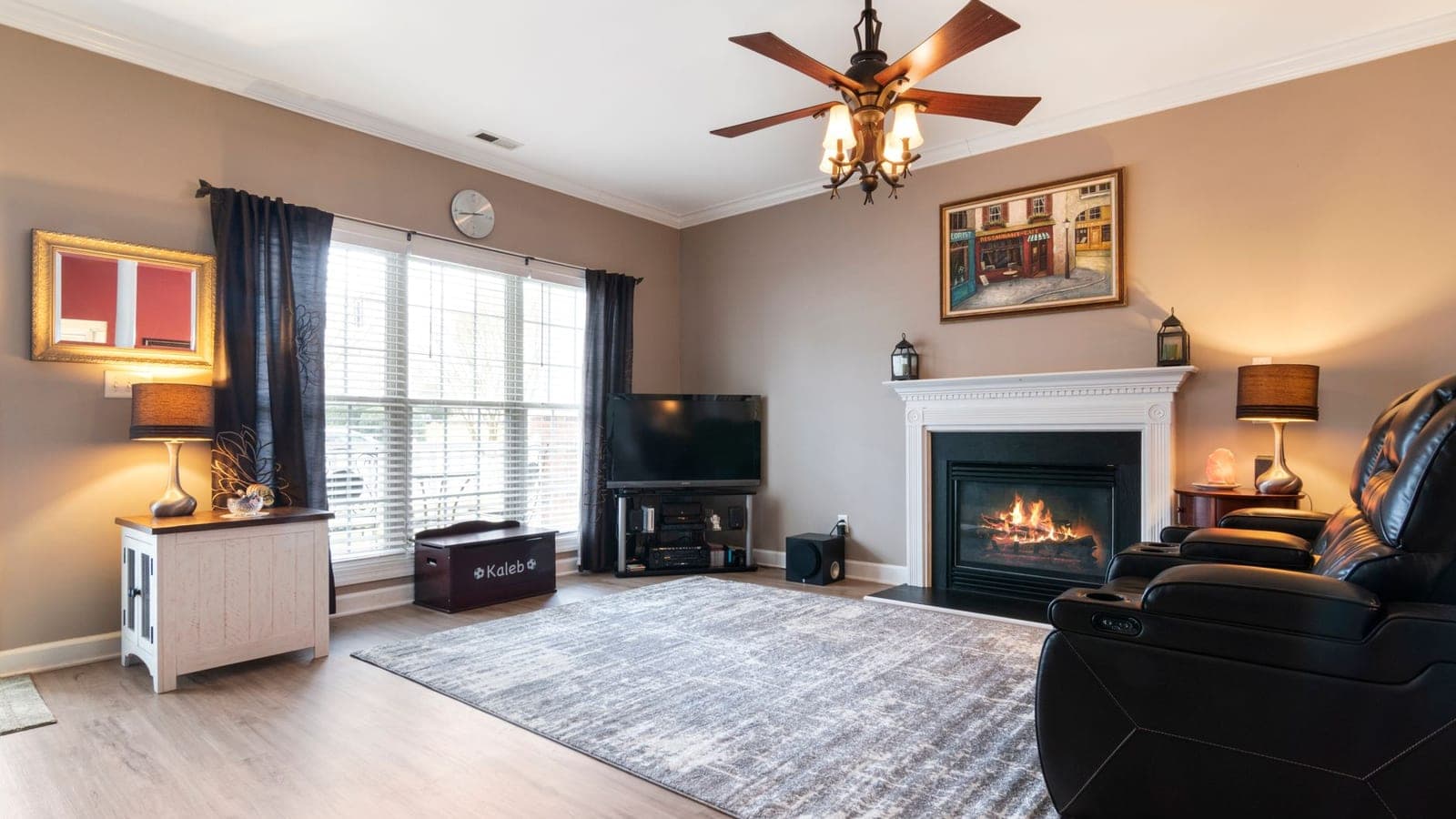
Why clockwise-on-low destratifies a room, certified low-speed wattages, and the mistake that makes it backfire.
Top pick
Hunter Martindale 44" Ceiling Fan
Guide
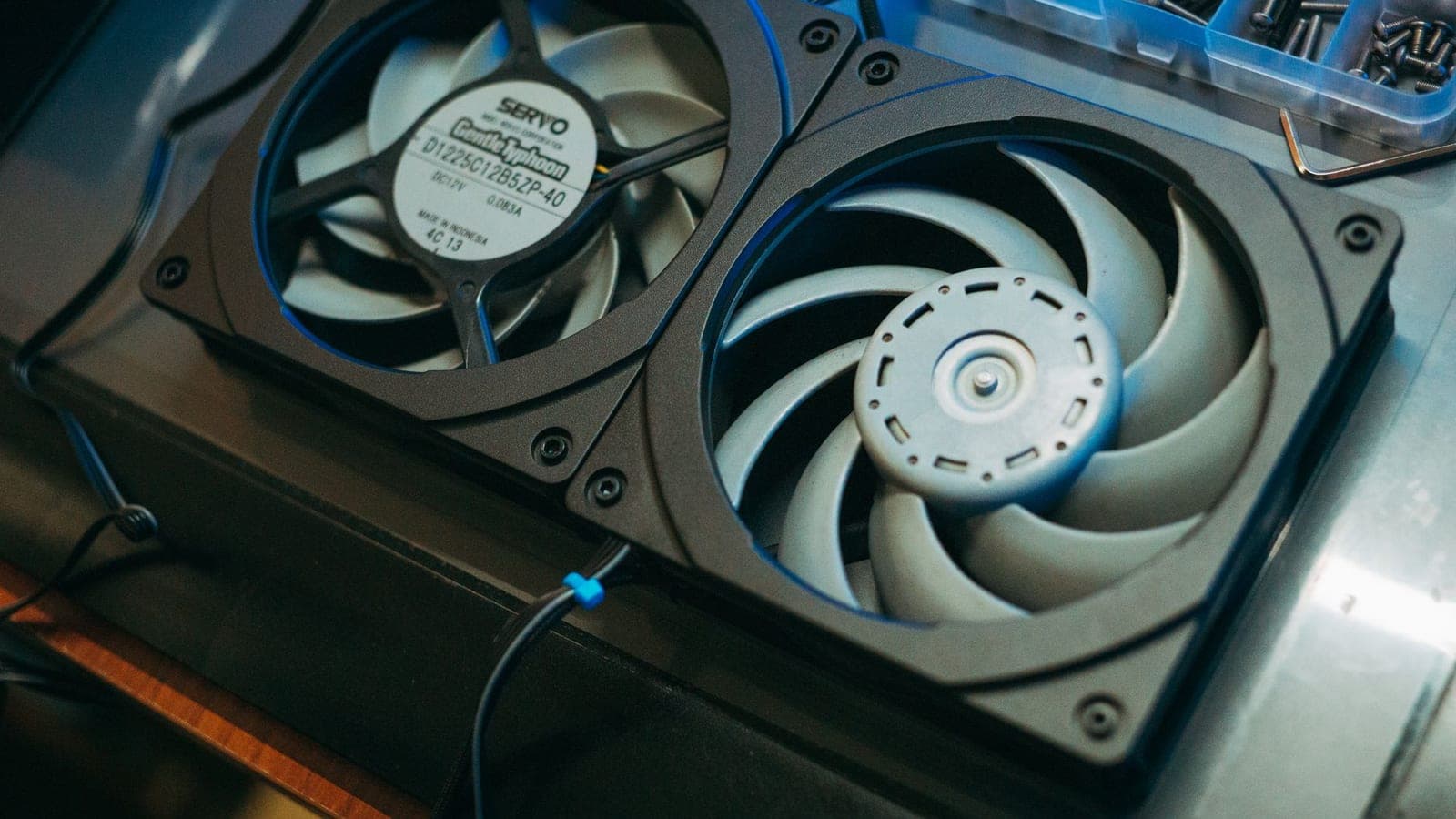
The four causes of ceiling fan wobble in the order you should check them, and why a big fan wobbles more for the same fault.
Top pick
Hunter Vespucci 52" Ceiling Fan
Head to head
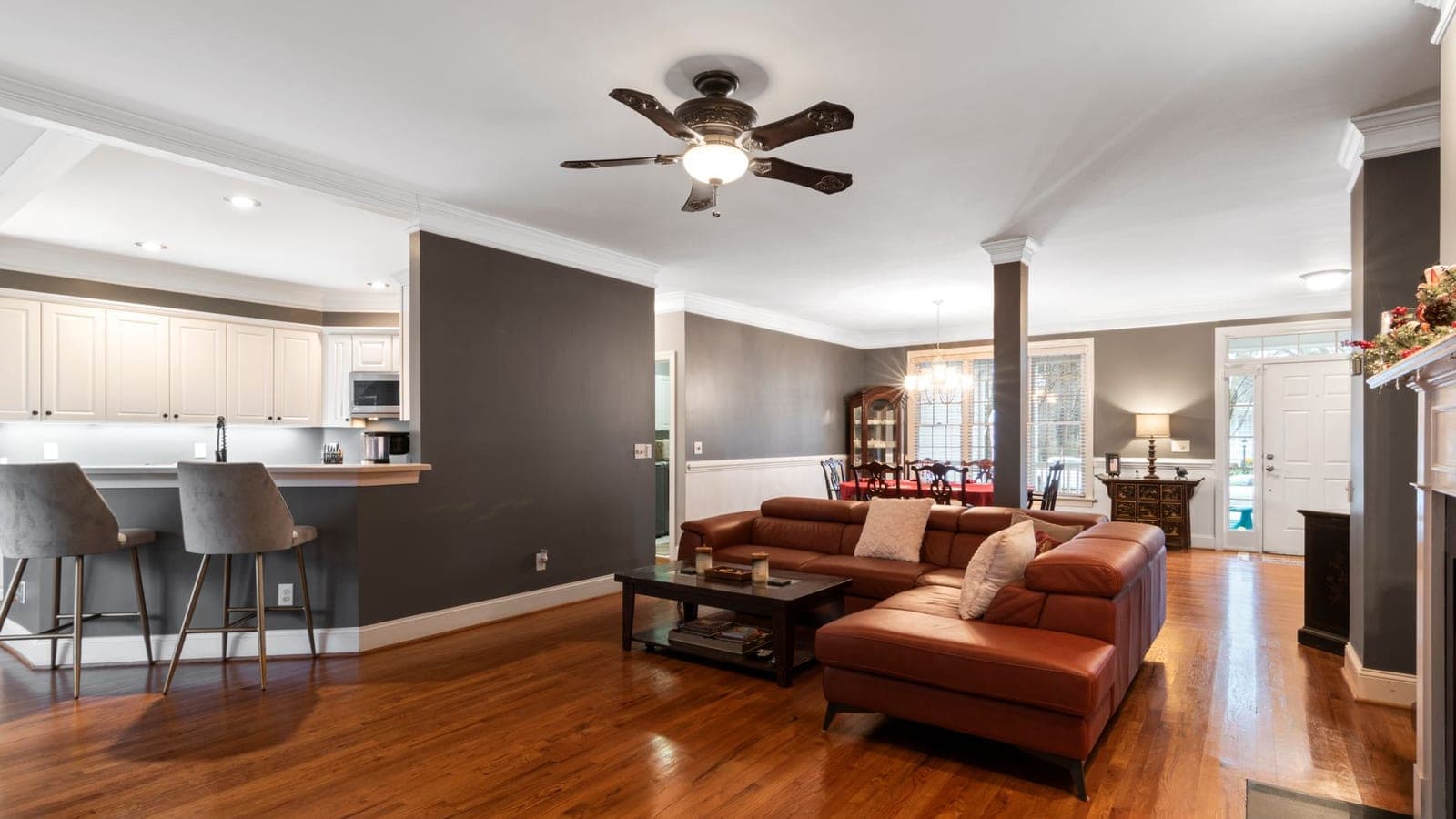
Certified wattage against manufacturer airflow, and the one question that settles the choice.
Top pick
Hunter Vespucci 52" Ceiling Fan

Best big-span fan
Median and maximum efficiency by blade span across 1,398 certified fans, plus downrod length and the real selection rule.
Best fan with a light
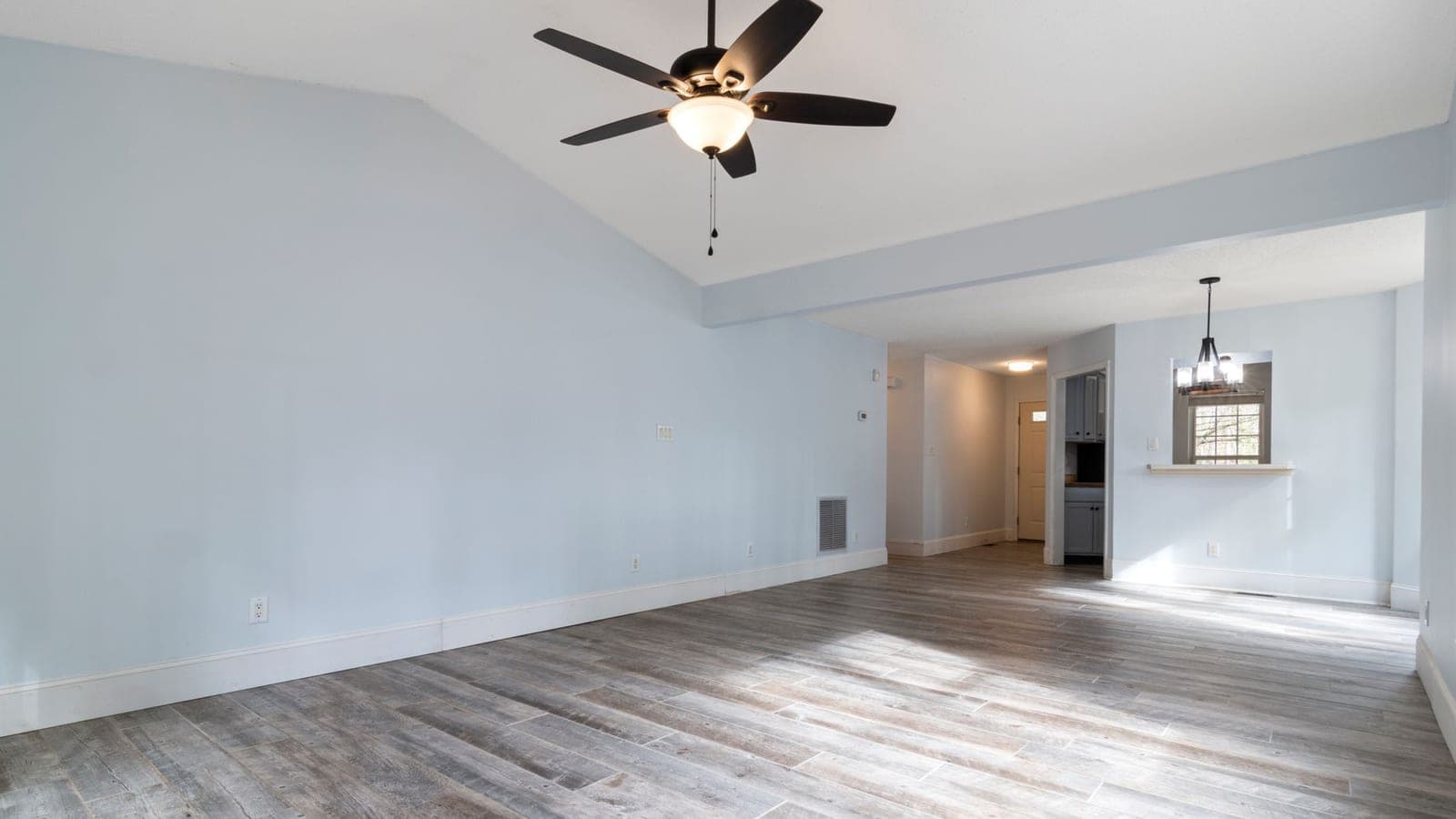
Why no certified fan carries a certified lamp, dimmability across 1,398 records, and how to judge the fan half.
Top pick
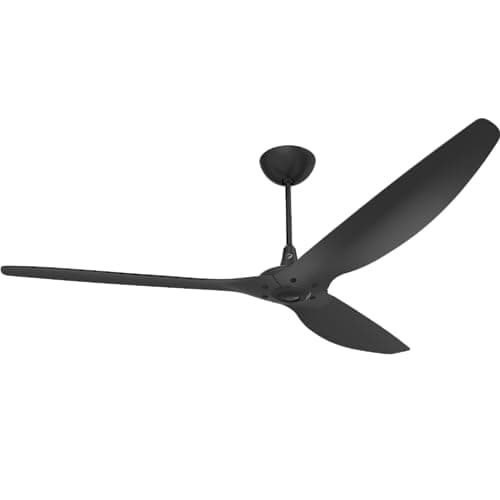
Visual Comfort Kingston 72" LED Ceiling Fan
Best smart fan
The 3.8% of certified fans that are connected, their measured standby penalty, and when scheduling earns it back.
Top pick
Big Ass Fans Haiku MK-i61 84" Ceiling Fan
Guide
Downrod length by ceiling height, blade clearances, flush versus downrod, and the box requirement that is not optional.
Top pick
Hunter Anisten 44" Hugger Ceiling Fan
Best range hood
Certified CFM, efficacy and sones across 91 range hoods, the 0.0-sone filings to distrust, and why ducted beats recirculating.

Guide
The four things to clean in order, why the duct matters more than the fan, and the test that tells you if it works.
Top pick
Panasonic WhisperGreen Select FV-0511VK3 Ventilation Fan

Head to head
What each one can and cannot do, the climate test that settles it, and why they work better together than apart.

Best whole-house fan
Published CFM and watts per speed for three sizes, the efficacy calculation nobody runs, and the conditions this only works in.
Top pick
QuietCool Stealth Pro X Whole House Fan, 4,280 CFM

The picks
What powered attic ventilators actually publish, the certification gap, and the passive alternative that costs nothing to run.
Top pick
Broan 353 Gable-Mount Powered Attic Ventilator
The picks
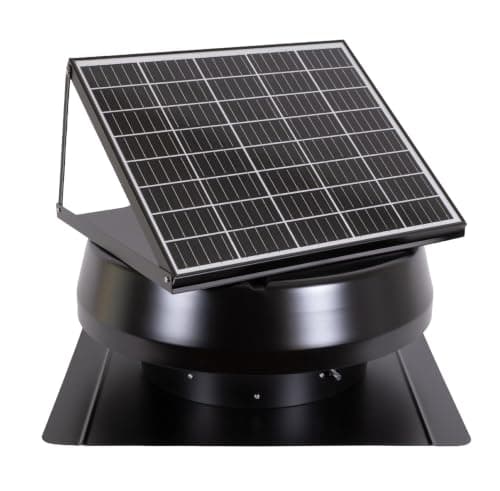
Why solar suits this job specifically, published CFM and panel wattage, and the two things it still cannot do.
Top pick
iLIVING 14" Solar Roof Attic Exhaust Fan
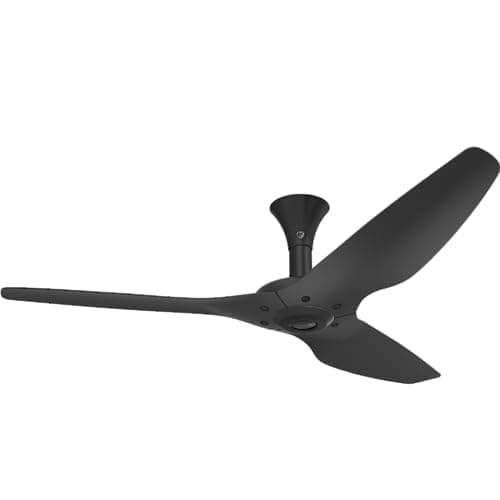
Best hugger fan
Certified CFM per watt for flush-mount fans, the measured penalty against standard mounts, and honest cons on every pick.
Top pick
Big Ass Fans Haiku 60" Low-Mount Ceiling Fan

Best living room fan
Certified efficiency for large-span living room fans, the light-kit penalty, and honest cons on every pick.

Guide
Whole-house fan running cost per speed and per night, why low is three times more efficient, and the comparison to cooling.
Top pick
QuietCool Stealth Pro X Whole House Fan, 4,280 CFM
The picks
Certified sones and CFM per watt for windowless bathrooms, why low continuous running wins, and the multi-speed finding.
Top pick
Panasonic WhisperGreen Select FV-0511VK3 Ventilation Fan
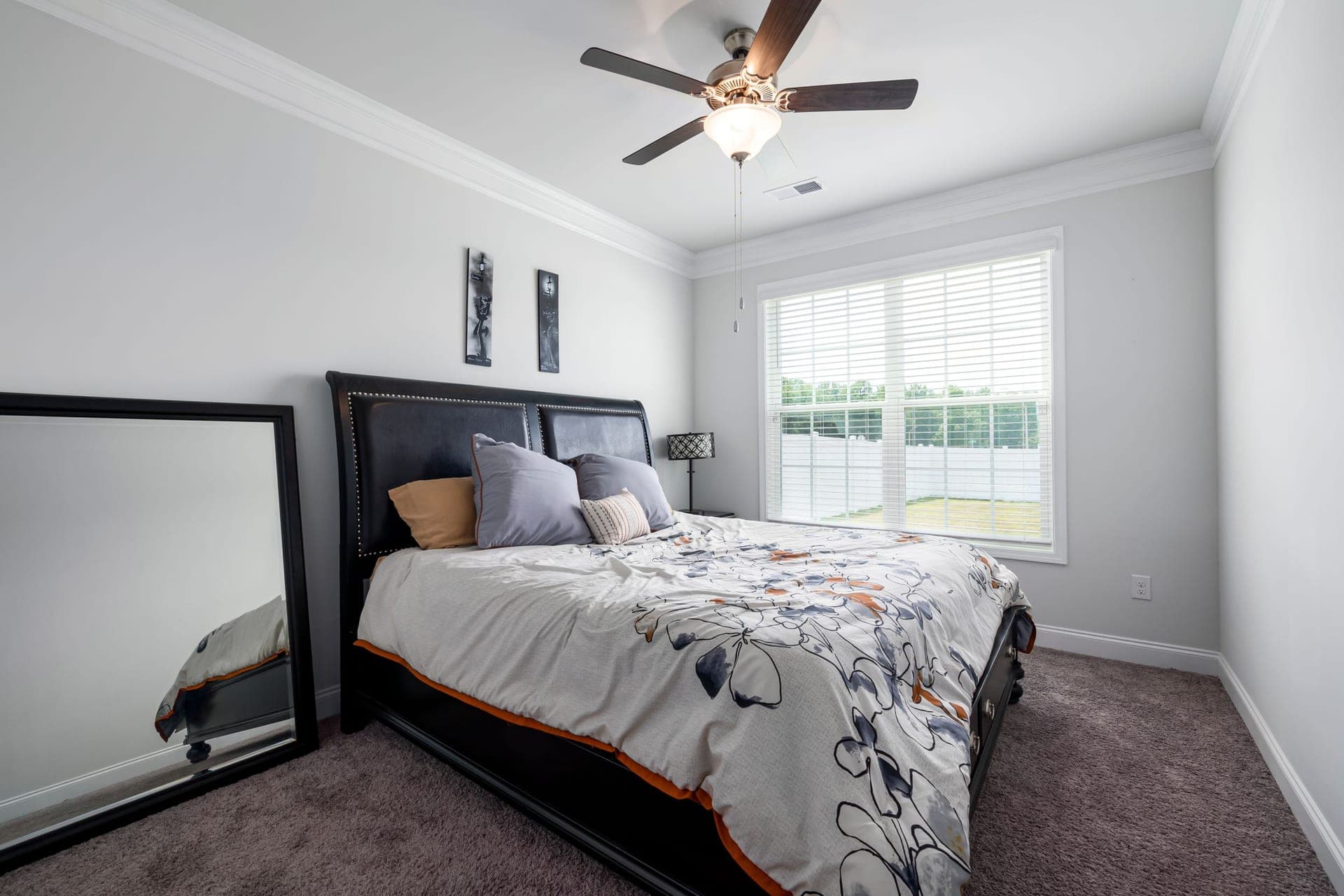
Best bedroom fan
Certified low-speed wattage and efficiency across the bedroom span band, why the two do not track, and honest cons on every pick.
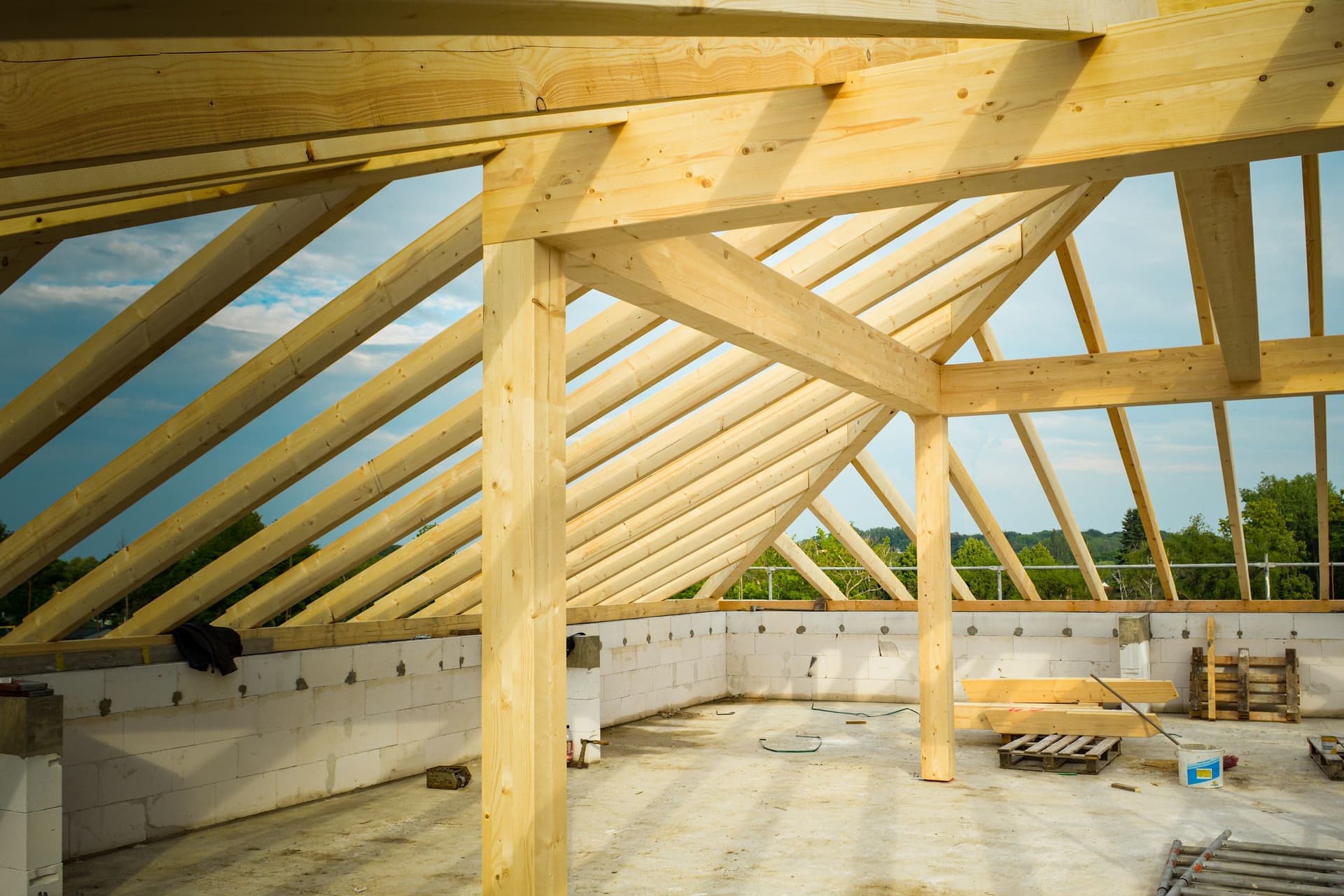
Guide
What the published adjustment ranges actually are, where to set each control, and the fire-safety cutout most people do not know about.
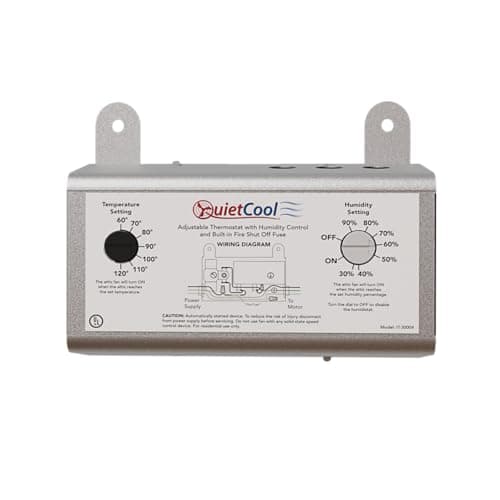
Top pick
QuietCool Attic Fan Adjustable Thermostat and Humidistat
Guide
Median certified airflow and efficiency by blade span across 1,447 records, plus the clearances that rule sizes out.
Read the guide →
Guide
What each design requires, the five checks that decide feasibility, and the exact point where this becomes an electrician's job.
Read the guide →
Head to head
Where each one mounts, what it costs you in roof risk, and why both fail for the same reason if the soffits are short.
Top pick
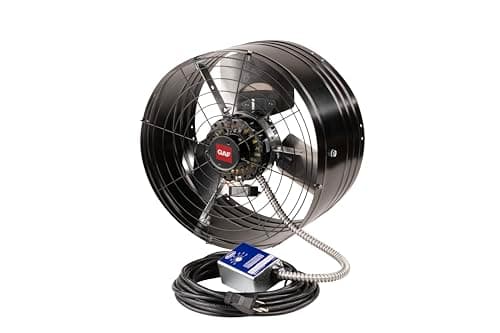
Maxx Air Premium 1,600 CFM Gable-Mount Power Attic Ventilator

Guide
The published intake ratio, what your soffits actually provide, and the failure mode when the two do not match.
Read the guide →
Guide
Why there is no rating, what the ducted design changed, and the speed arithmetic that makes a big fan the quiet option.
Read the guide →
Guide
The set-point check, the airflow test, the temperature test, and the three faults that are worth fixing.
Read the guide →
Guide
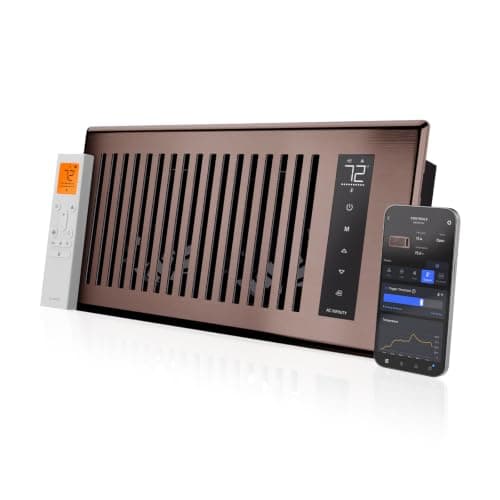
Published airflow and wattage for a booster that states both, when one is the right fix, and the three failures it cannot touch.
Top pick
AC Infinity AIRTAP T4 Register Booster Fan
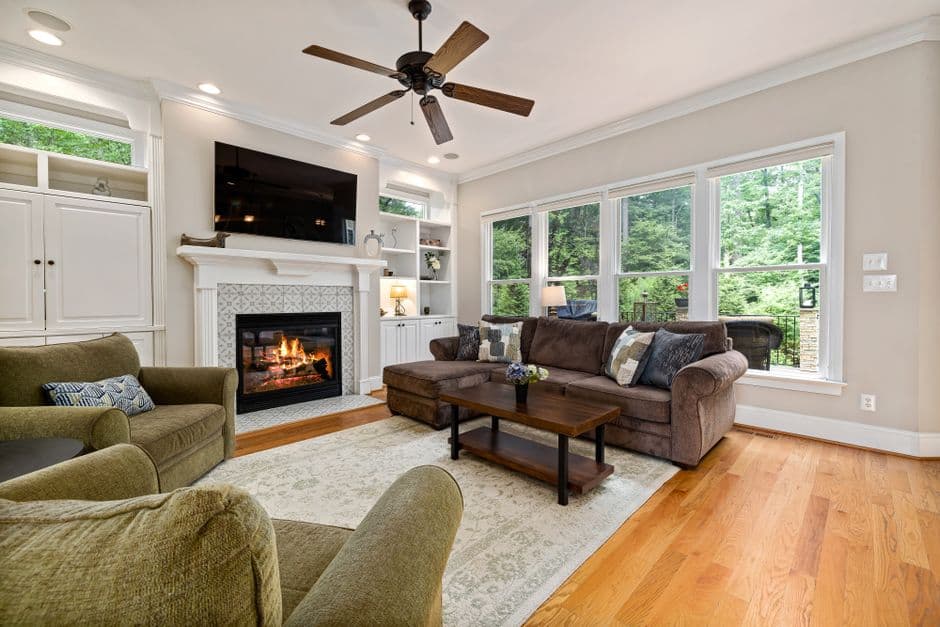
Head to head
Certified watts and annual kWh for both, the conditions where a fan is genuinely enough, and how to run them together.
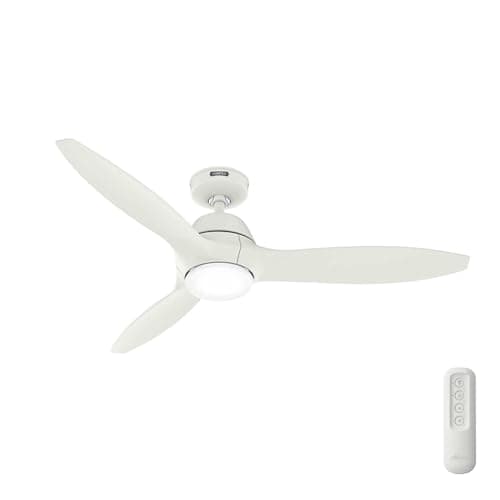
Top pick
Hunter Skyway 52" Ceiling Fan with Light Kit

Head to head
What each one moves, the intake both depend on, and the roofs where a fan genuinely helps.
Top pick
Maxx Air Premium 1,600 CFM Gable-Mount Power Attic Ventilator

Head to head
Published airflow for each, what solar genuinely saves, and the intake requirement neither escapes.
Top pick
iLIVING 14" Solar Roof Attic Exhaust Fan
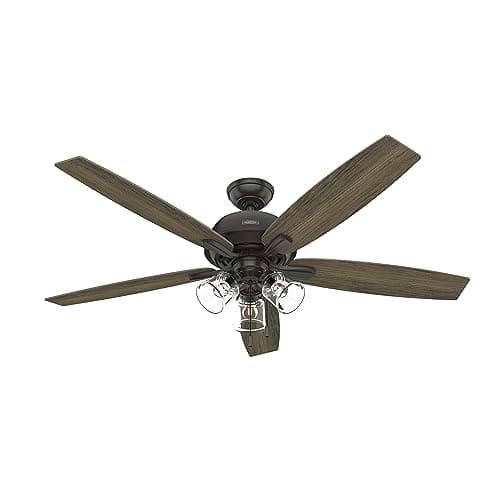
Head to head
Certified and published figures for both, the window rule one of them depends on, and why most houses want both.
Top pick
Hunter Skyway 52" Ceiling Fan with Light Kit

Head to head
When ventilation beats dehumidification, what each costs, and the rooms where the answer flips.
Top pick
Panasonic WhisperGreen Select FV-0511VK3 Ventilation Fan
Quietest ceiling fan
Why ceiling fan noise is never published, the two certified numbers that stand in for it, and the mount to avoid if quiet matters.
Top pick
Hunter 60" Ceiling Fan (53606)
Best ceiling fan brand
What each ceiling fan brand's certified range actually looks like, which brand leads on what, and why the badge is the weakest signal available.
Top pick
Hunter 60" Ceiling Fan (53606)
Guide
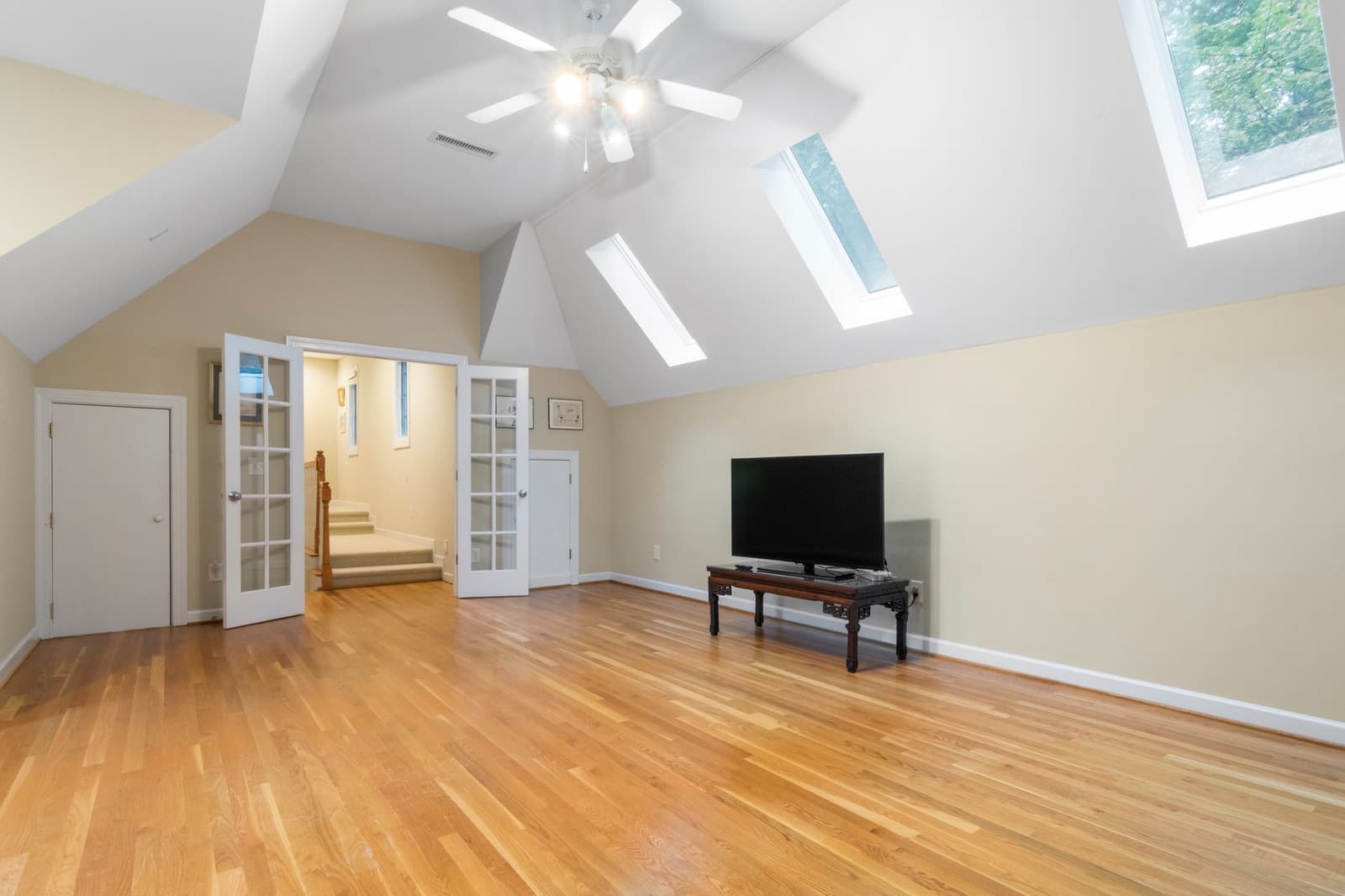
What the unit costs, what drives an installation quote, the attic vent area the spec sheet requires, and the rebates that offset it.
Top pick
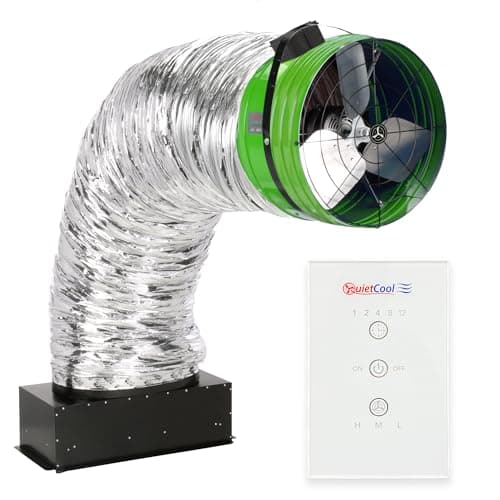
QuietCool QC ES-7000 RF Energy Saver Advanced Whole House Fan

Head to head
Certified CFM per watt, high-speed and standby draw for both Haiku fans, and the ceiling height that decides which you are allowed to fit.
Top pick
Big Ass Fans Haiku MK-i61 84" Ceiling Fan
Best humidity-sensing fan
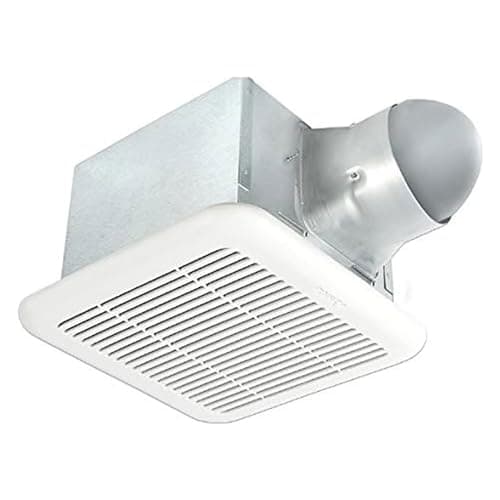
Four humidity-sensing bath fans on certified CFM, sones and CFM per watt — plus the finding that the sensor is free and the duct is not.
Top pick
Delta BreezSignature SIG80-110MH Ventilation Fan

Guide
The published 20-minute minimum, what it moves in bathrooms from 40 to 140 sq ft, the pennies it costs, and the fans that make it bearable.
Top pick
Panasonic WhisperGreen Select FV-0511VK3 Ventilation Fan
Questions people actually ask
A ceiling fan on low, at under 2 W — roughly 7.9¢ for a month of eight-hour nights. In a climate with cool nights, a whole-house fan is the cheapest way to actually lower the house temperature, since it exchanges indoor air for cooler outdoor air rather than refrigerating anything.
A whole-house fan sits in the ceiling of your living space and pulls air through the house and out via the attic, cooling the house. An attic fan exhausts the attic only, reducing radiant heat coming down through your upstairs ceilings. The attic fan works regardless of overnight temperatures; the whole-house fan does not.
Counterclockwise viewed from below, pushing air down. Stand underneath on high speed — if you feel air on your face, it is correct. If not, there is usually a small switch on the motor housing to reverse it. How to check yours.
Only if your summer overnight lows drop below about 70°F, and ideally into the 60s. A whole-house fan cannot cool below the outdoor temperature. Test the idea first with a window fan blowing out of an upstairs window once the outside air is genuinely cooler.
Extremely, and it is measured. ENERGY STAR publishes certified CFM per watt for every certified model — the best figure we found is 385 CFM/W from a 72-inch fan, and a good 52-inch fan reaches 366.7 while drawing 13.9 W on high and 1.8 W on low.
Yes, if they have a remote or smart control. Certified standby figures run from 0.3 to 1.2 W, and that draw never stops. Over a year several fans cost more sitting off than they cost to run on low for a month of nights — small, but a useful tiebreaker.
Sources