
Guide
How to cool a bedroom, in order of what actually works
Six steps ranked by effect and cost, from closing a blind to a correctly sized window unit.
Room Cooling
Most cooling advice starts with a product. That is backwards — start with why this particular room is hot, because the answer changes what you should buy.
The short answer
Work out why the room is hot first. Sun through glass, radiant heat from an attic, appliances inside the room, and poor air delivery are four different problems with four different fixes — and the two most effective steps in most rooms are free: closing blinds during the day, and exhausting hot air once the outdoor air is genuinely cooler.
Fan & Frost earns a commission when you buy through our links, at no cost to you. It never changes a ranking, and we say so when the right answer is the cheaper unit or nothing at all. Full disclosure · How we pick.

Start here
Almost every cooling guide starts with a product category and works backwards to your situation. That is the wrong direction, and it is why so many people end up owning a machine that does not fix their particular problem.
A hot upstairs bedroom and a hot garage are not the same problem with different square footage. They have different causes, and the correct purchase in one is a waste of money in the other.
Diagnose first
Nearly every hot room is some combination of these. Working out which one dominates is ten minutes of work and it decides everything after.
Each has a different fix. Shading beats sun; ventilation and insulation beat attic heat; unplugging things beats internal load; duct sealing or a dedicated unit beats poor delivery. Buying a bigger air conditioner addresses none of them well.
The order
Ordered by effect per dollar rather than by how satisfying it is to buy something. A surprising number of rooms never get past step three.
| Step | Power | Cost to run |
|---|---|---|
| 1. Close blinds before the sun arrives | 0 W | Free |
| 2. Turn off heat sources in the room | 0 W | Free |
| 3. Exhaust once it is cooler outside | 31 W | $1.36 / month |
| 4. A fan aimed at you | 2.9 W | 13¢ / month |
| 5. A ceiling fan, if you own the room | 1.8 W | 7.9¢ / month |
| 6. A correctly sized window AC | 298 kWh/yr | $55 / YEAR |
Wattages from manufacturer pages and ENERGY STAR certified data; costs are our arithmetic at 18.34¢/kWh.
The first two steps are free and they are the most effective. That is not a rhetorical flourish — preventing heat from arriving beats removing it afterwards every time, because the second requires energy and the first does not.
The rule people get wrong
Step three is the only one that lowers a room’s temperature without a compressor, and it has a hard precondition that catches almost everybody.
The outdoor air has to actually be cooler than the indoor air. Not feel cooler — be cooler, on a thermometer.
Evening air feels cool long before it is cool. The light changes, there is a breeze, and it is still 86°F outside while your bedroom is 82°F. Opening up at that point pumps heat into the house, and it is the most common mistake in cooling without air conditioning. In many climates the crossover comes at 9 or 10pm rather than at dusk.
Once it has crossed: exhaust from the highest, hottest window, with another window open low on the opposite side of the house. Hot air collects high, so exhausting there pulls cooler air in low and drags it through the building. The full method is here.
Say the unwelcome thing
Buying more capacity is the wrong response to almost all of these causes.
The instinctive fix for a hot room is a bigger air conditioner, and it addresses none of the four causes well. It will not cool a hot attic, will not stop air stratifying between floors, will not push more air through a duct run that is already the constraint, and will not remove the 400 W computer that is heating the room.
It also makes comfort worse. An oversized unit reaches the set temperature before it has removed any humidity, shuts off, and leaves the room cold and clammy while short-cycling. ENERGY STAR states it directly: an oversized air conditioner “costs more to purchase, wastes energy and does not provide better cooling.”
Size it to the room — a typical bedroom wants 6,000 BTU, not the 8,000 that sells best.
Room by room
If none of those describes your situation, start with the general no-AC page, which ranks nine common methods by how much each actually does — including two popular ones that barely work at all.
Everything in Room Cooling
Prices are live from Amazon where we hold them and read “check price” where we don’t. Nothing here shows a number we cannot verify today.
Guide
Six steps ranked by effect and cost, from closing a blind to a correctly sized window unit.

Guide
What leases actually forbid, the shared-circuit trap, and the units that satisfy both.
Top pick
Midea U-Shaped Window Air Conditioner, 6,000 BTU
Guide
Attic heat, stack effect or duct delivery — how to tell which, and the fix that matches each.

Guide
Nine methods ranked by real effect, including the two free ones that beat anything you can buy.
Guide
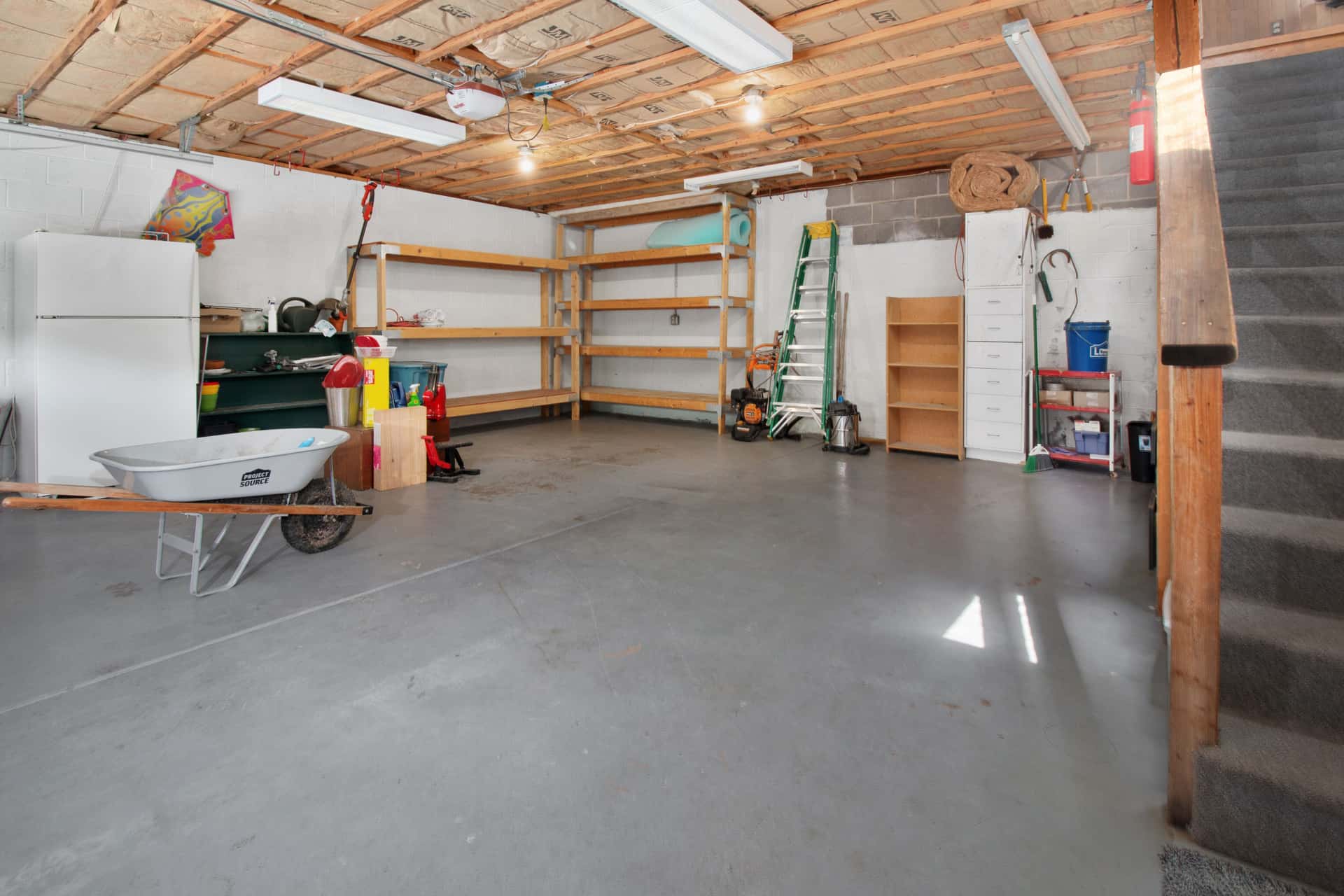
Why refrigeration fails in a garage, what to do instead in dry and humid climates, and the door insulation nobody mentions.
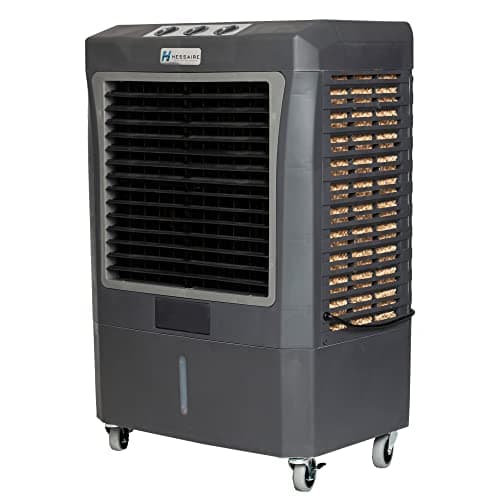
Top pick
Hessaire MC37M Mobile Evaporative Cooler
Guide
What housing rules and shared circuits allow, and why a dorm is small enough for fans to genuinely work.

Guide
Misting, evaporative and ceiling fans compared on published CFM and watts, and why humidity decides between them.
Top pick
Honeywell CO60PM Indoor/Outdoor Evaporative Cooler

Guide
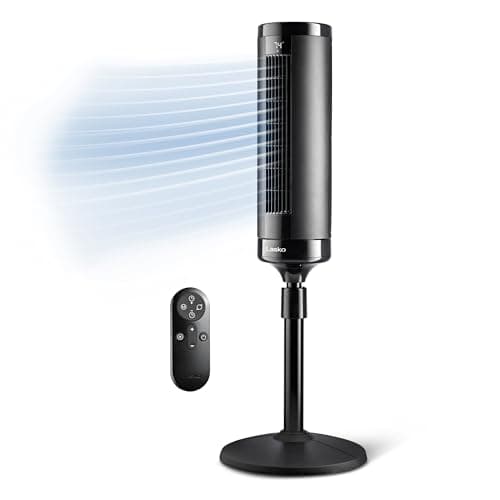
Published dBA figures, the placement rules that matter, and the products to keep away from a crib.
Top pick
Lasko EcoQuiet 42" DC Tower Fan

Guide
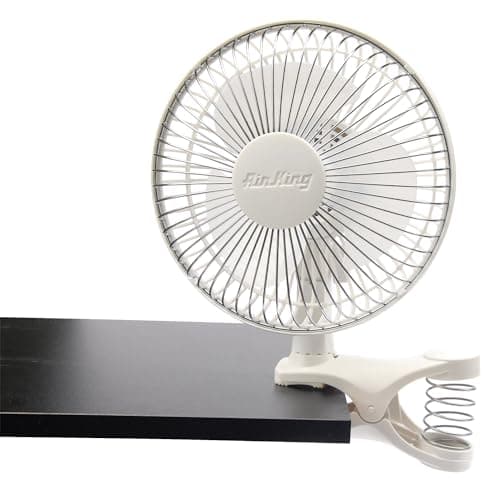
Why a desk setup heats a small room, the dBA figures that survive a video call, and what to buy.
Top pick
Air King 6" Commercial Grade Clip-On Fan
Guide
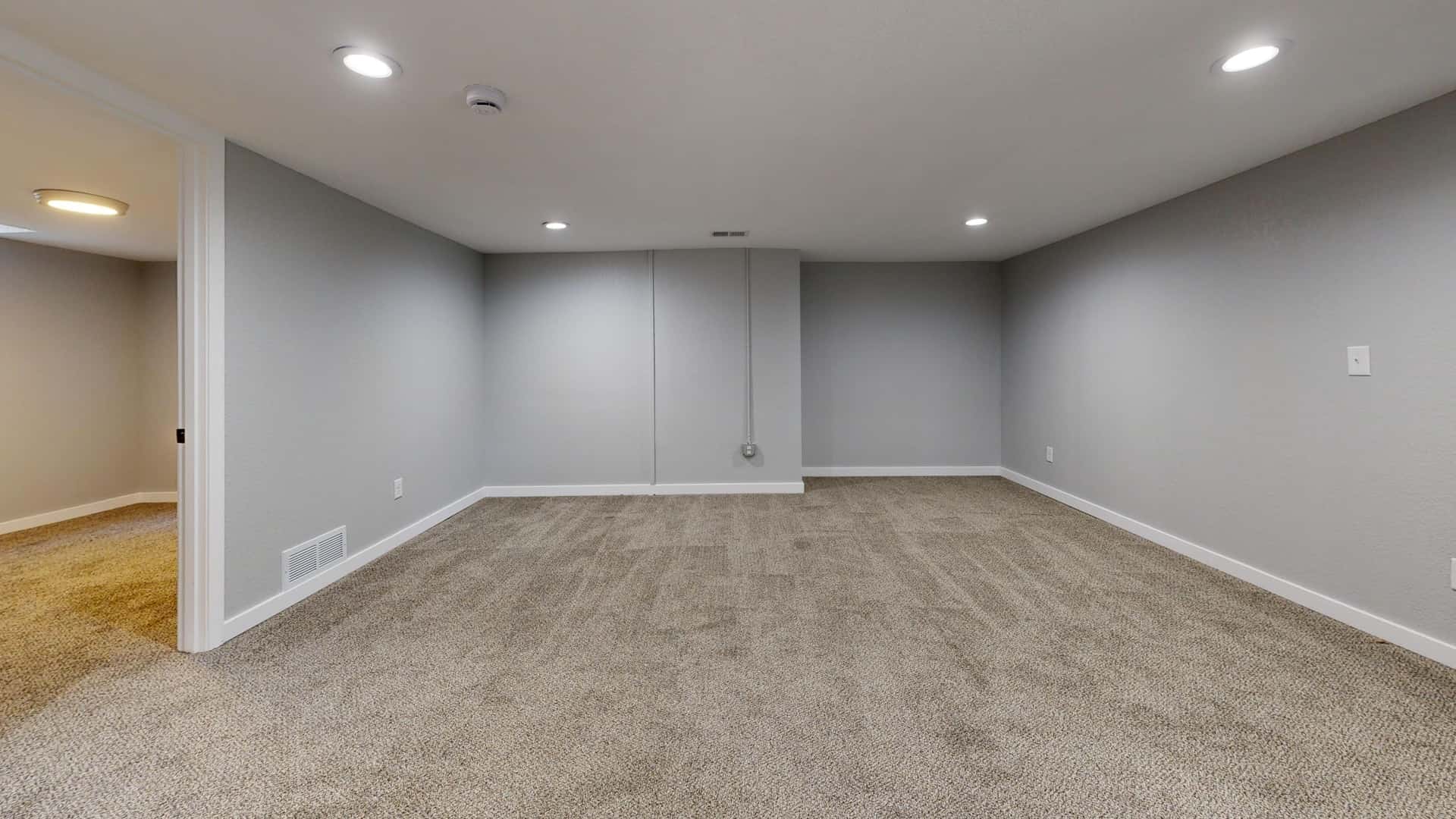
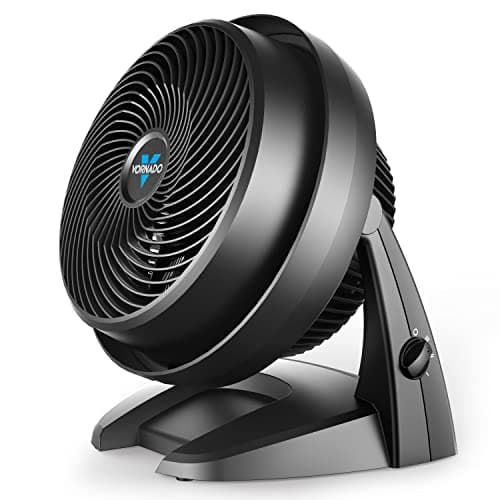
Why basements feel clammy rather than hot, the short-cycling trap, and the airflow that actually helps.
Top pick
Vornado 630 Medium Air Circulator
Guide
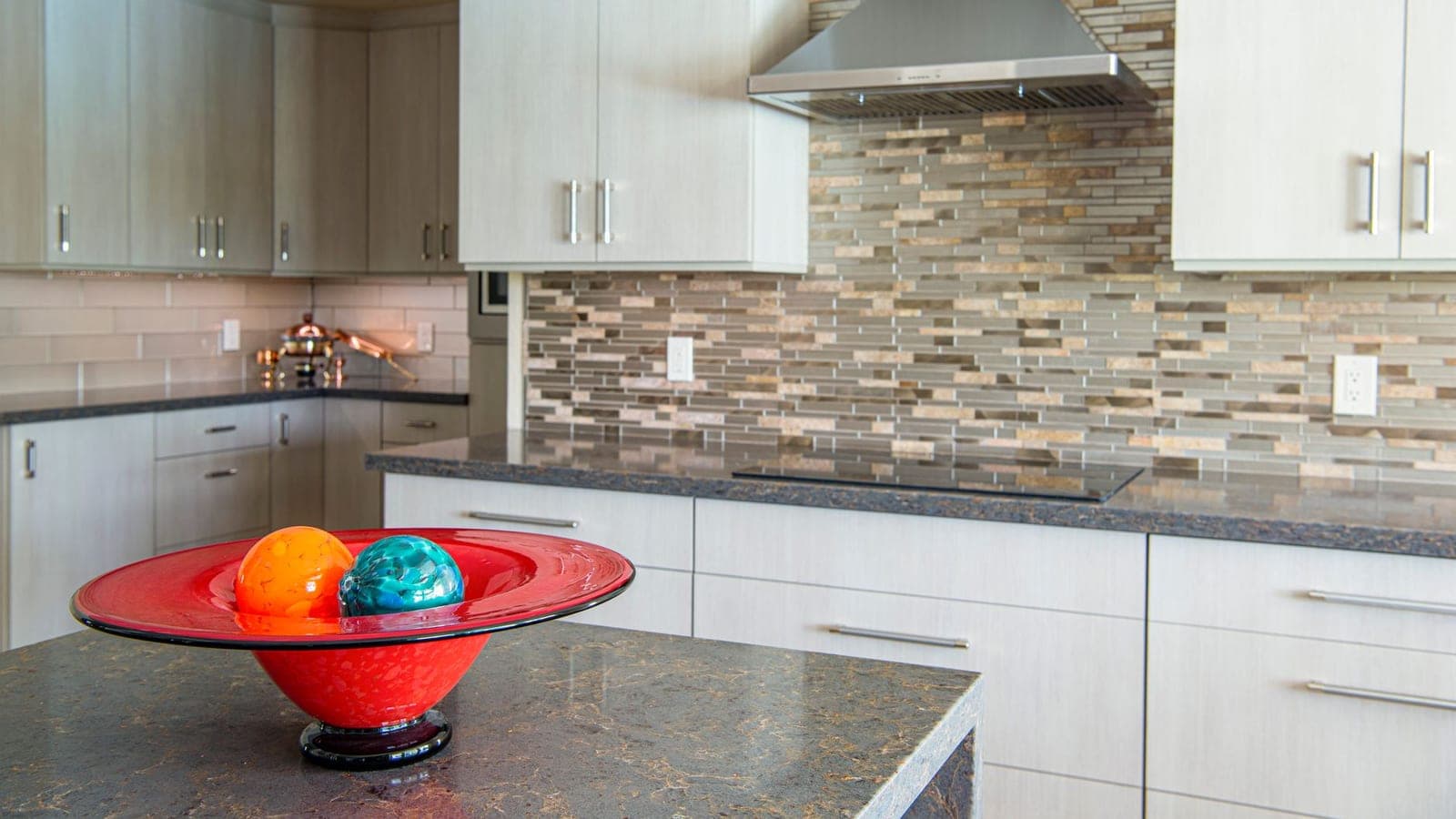
Certified range hood CFM and sones, why extraction outranks cooling here, and a data caveat worth knowing.

Guide
Why shared occupancy points at a ceiling fan, the evening timing advantage, and sizing for the largest room in the house.
Top pick
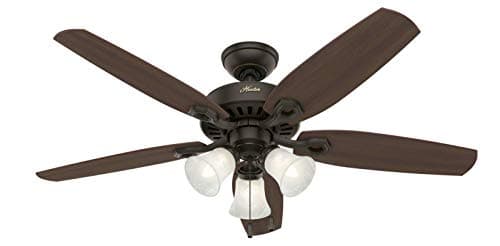
Hunter Vespucci 52" Ceiling Fan

Guide
Why standard sizing under-reads a sunroom, the glass measures that matter most, and the airflow that works with the stratification.
Top pick
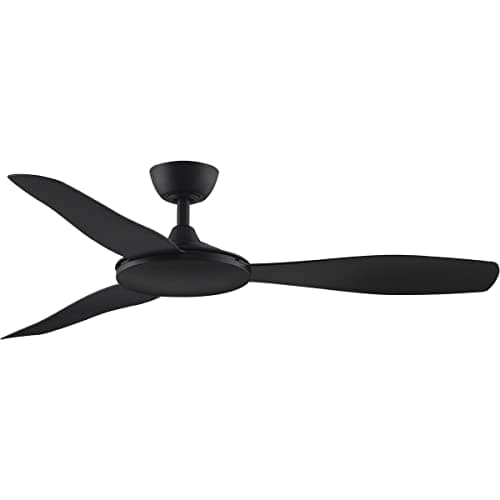
Fanimation GlideAire 52" Ceiling Fan
Guide
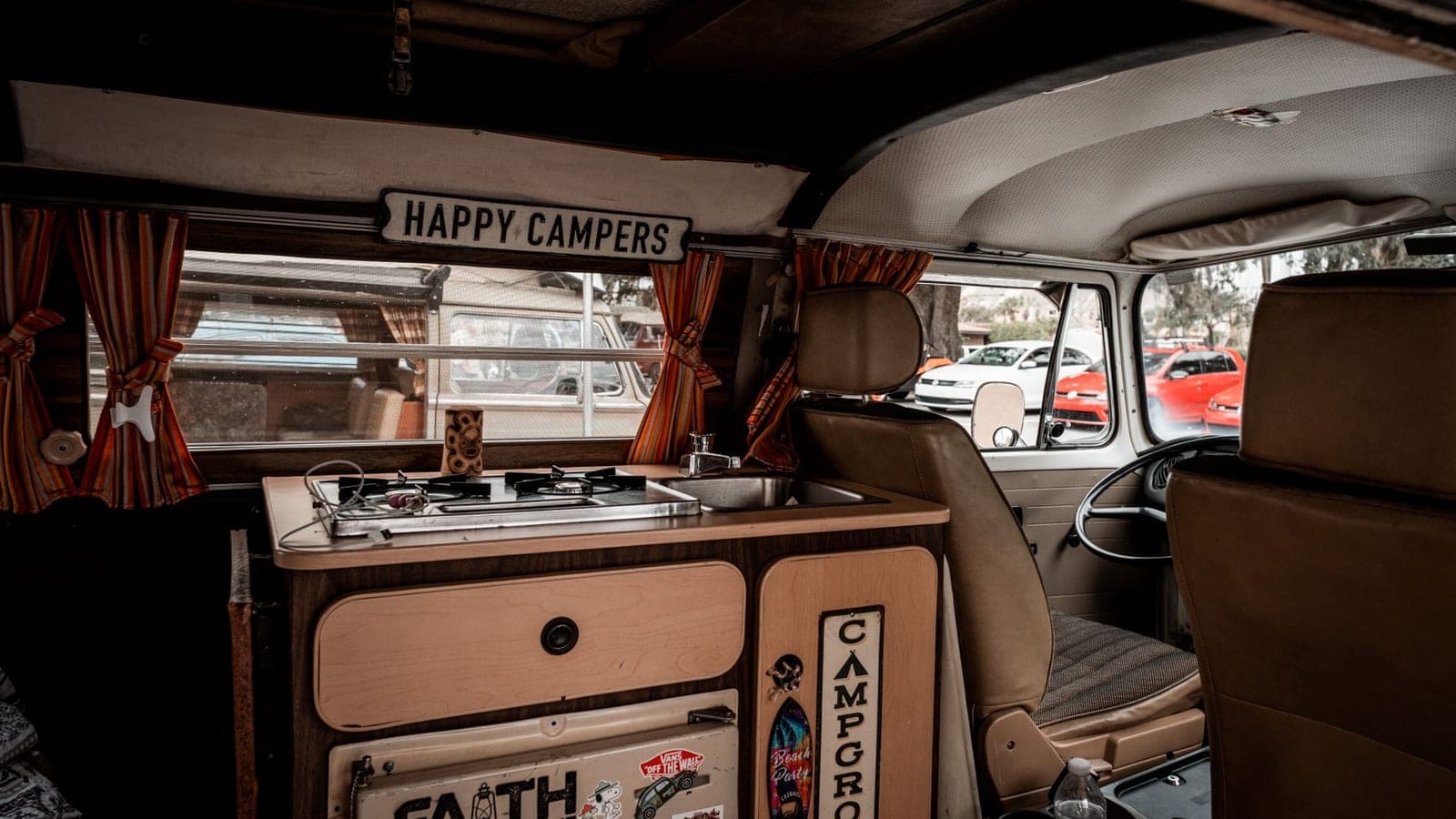
Published battery-fan run times and airflow, the shore-power distinction, and why air conditioning is a hookup-only option.
Top pick
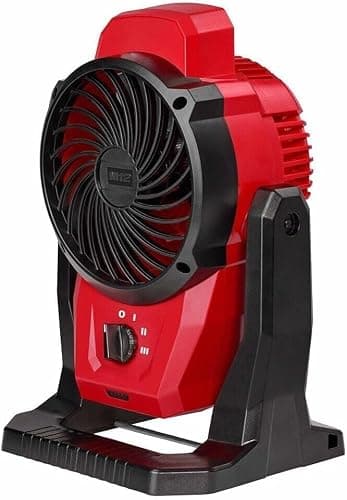
Milwaukee M12 Mounting Fan

Guide
Why extraction comes first, which fans survive a workshop, and the placement that keeps benches clear.
Top pick
Hessaire MC37M Mobile Evaporative Cooler
Guide
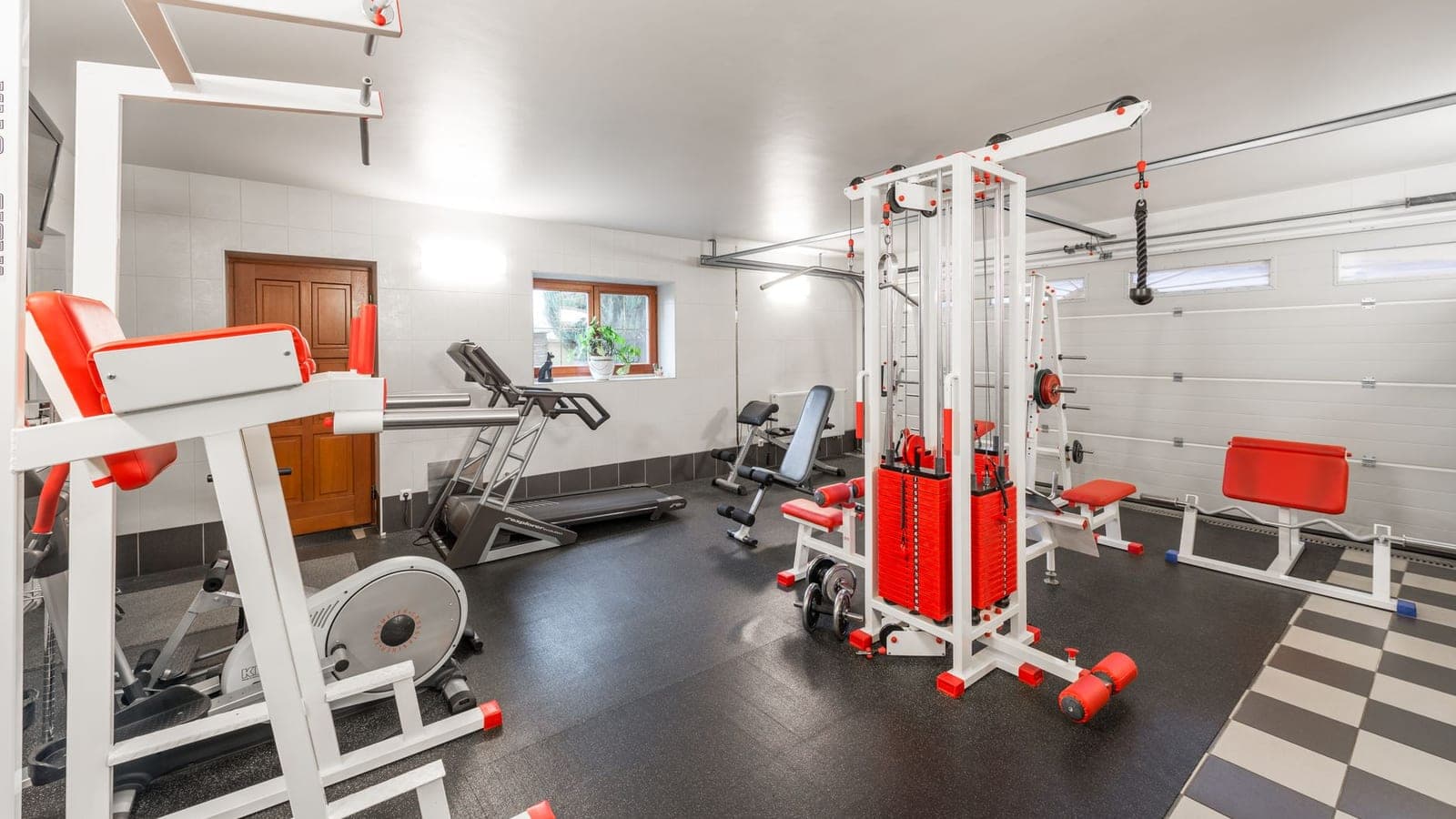
Why airflow beats cooling when you are the heat source, mounting that keeps the floor clear, and the ventilation the room needs.

Top pick
Lasko Wind Curve 42" Tower Fan

Guide
Why west is worse than south, the ENERGY STAR sizing adjustment that applies, and the shading that works.
Top pick
GE Profile ClearView Window Air Conditioner, 8,000 BTU

Guide
Why laundry rooms feel worse than they measure, the dryer venting check that matters most, and certified extraction data.
Top pick
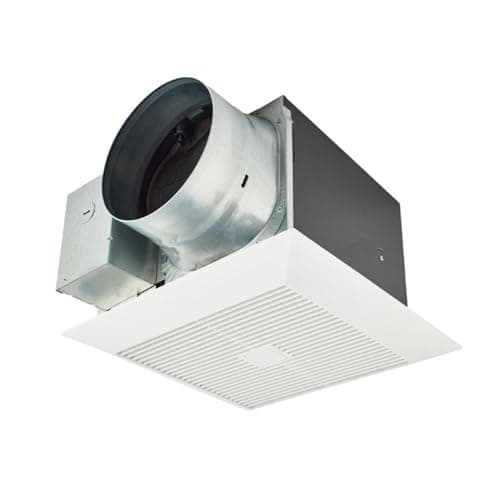
Panasonic WhisperGreen Select FV-0511VK3 Ventilation Fan

Guide
The watts-in-equals-heat-out rule, why extraction is the right answer, and certified inline fan numbers.
Guide
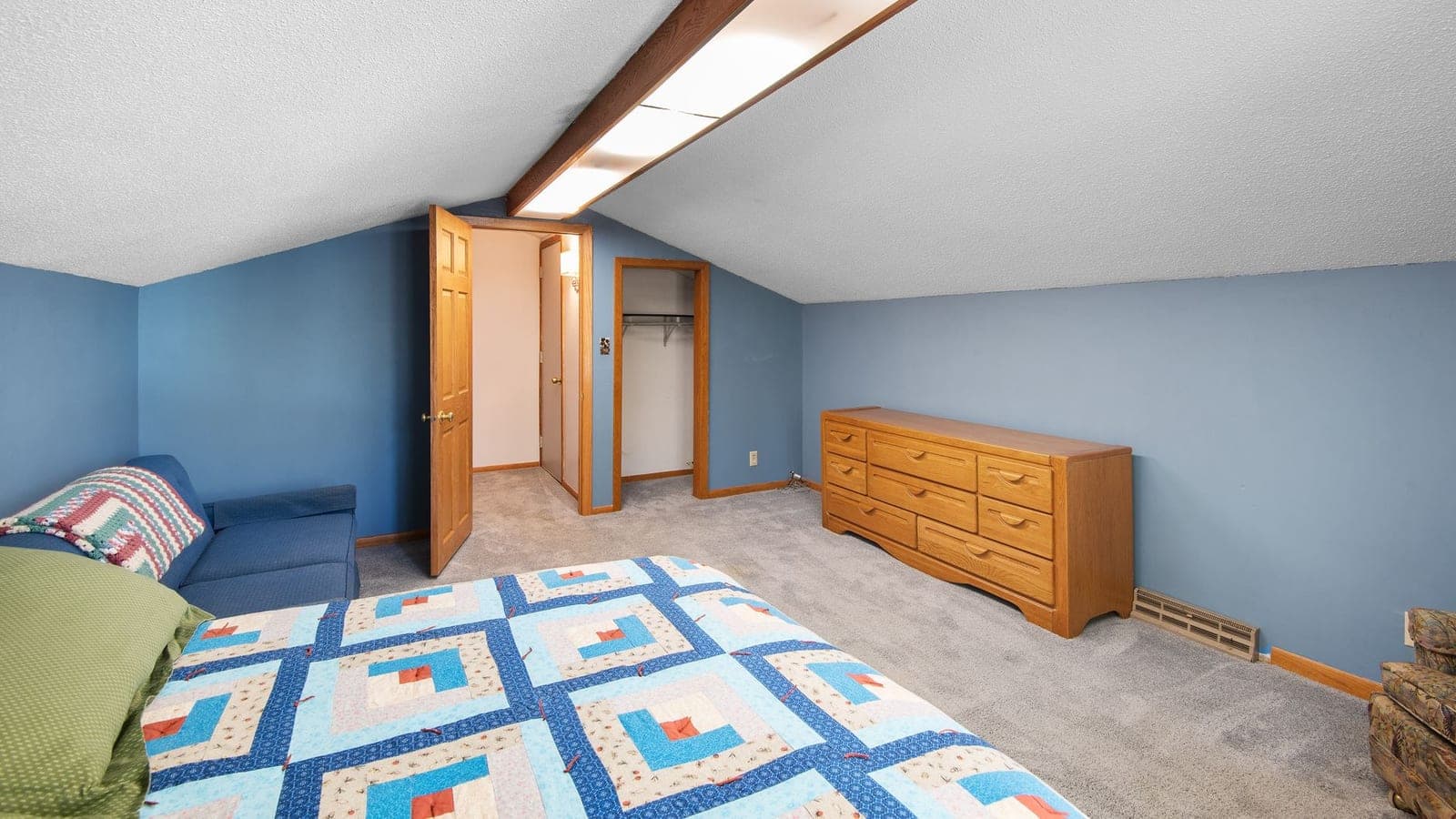
Why a loft conversion is the hardest room in the house, the knee-wall void nobody checks, and certified equipment.
Top pick
Midea Window Heat Pump Air Conditioner, 9,500 BTU

Guide
Why fans work less well for animals than for people, what to do instead, and quiet certified equipment.
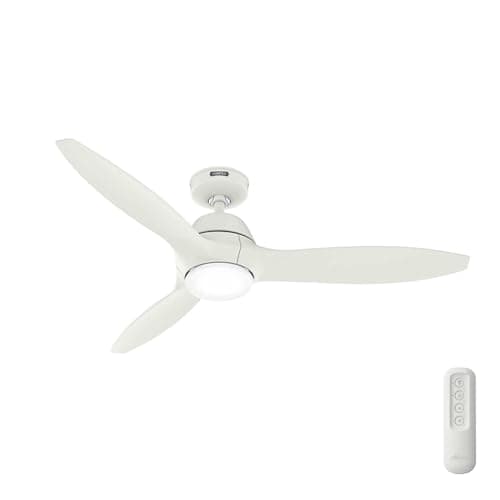
Top pick
Hunter Skyway 52" Ceiling Fan with Light Kit

Guide
Why evaporative cooling is the professional answer here, the shade-first rule, and certified extraction figures.
Top pick
Hessaire MC37M Mobile Evaporative Cooler
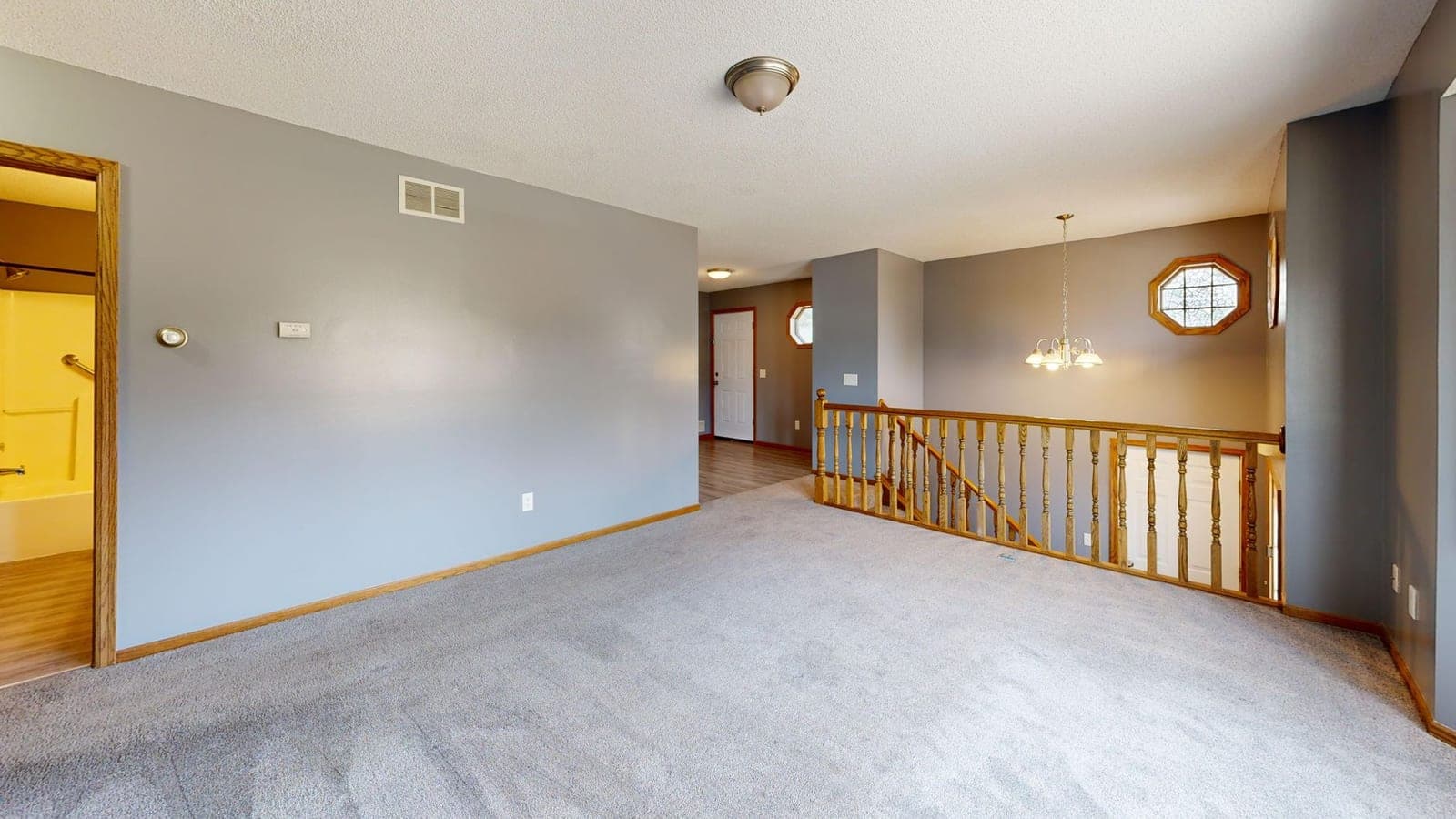
Guide
Why a room over a garage is the hardest in the house, the floor nobody insulates properly, and certified equipment.
Top pick
Midea Window Heat Pump Air Conditioner, 9,500 BTU

Guide
Where the heat in a media room comes from, why the usual quiet-fan advice does not apply, and the equipment that solves both at once.
Top pick
Hunter Vespucci 52" Ceiling Fan
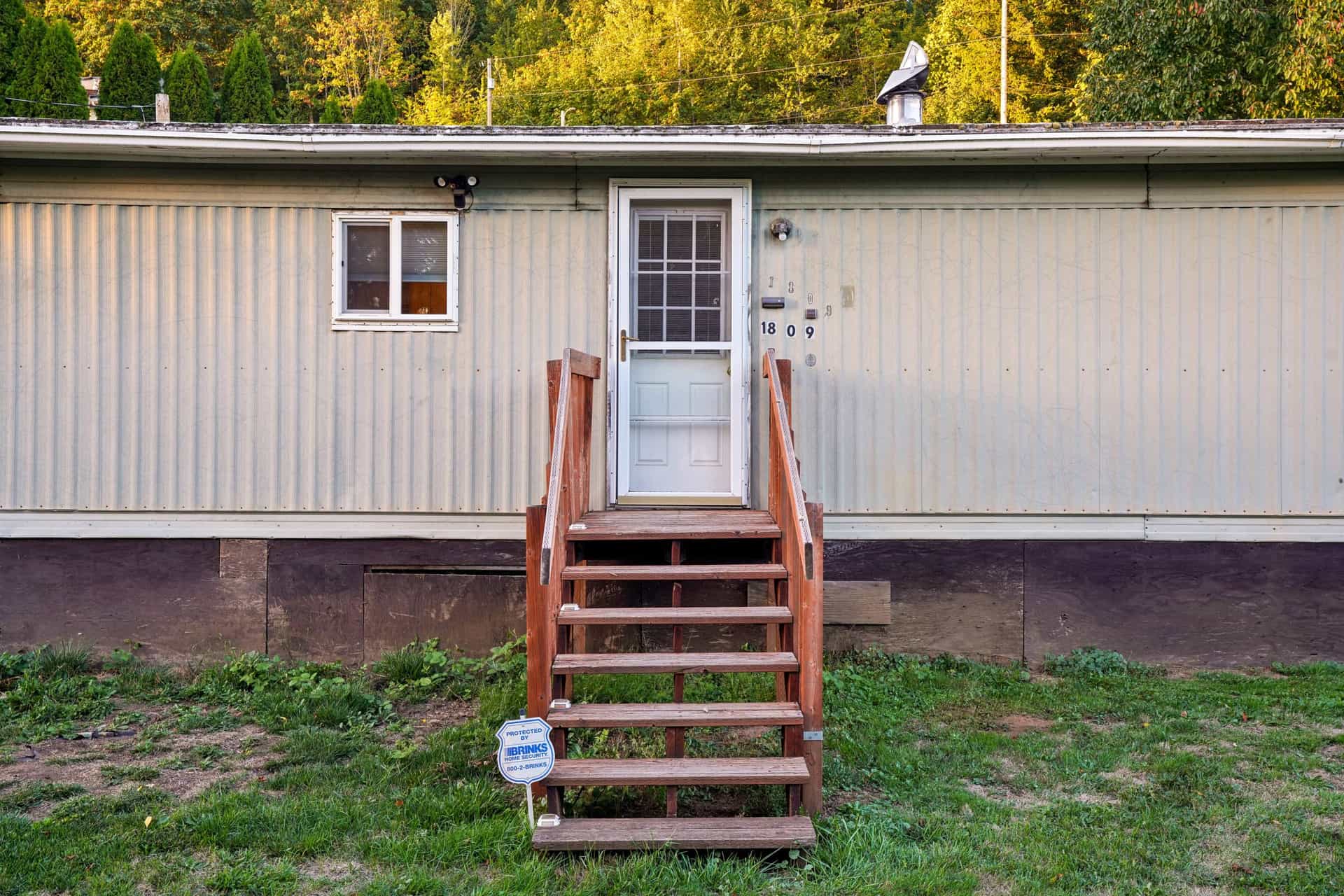
Guide
Why manufactured homes heat faster, which air conditioners fit the window openings, and the roof and skirting work that pays back first.
Top pick
Midea Window Air Conditioner, 10,000 BTU
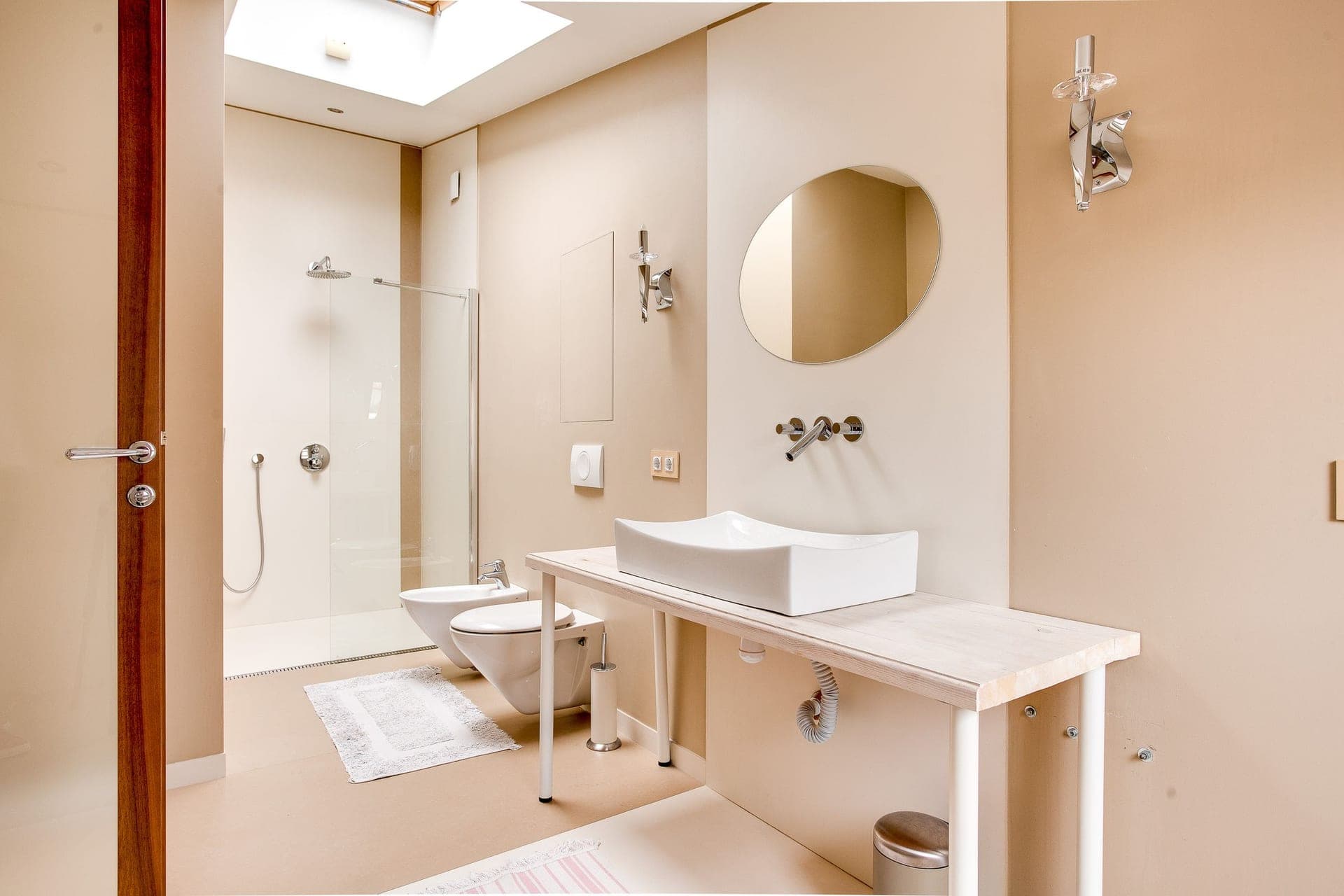
Guide
Why an air conditioner is the wrong tool here, how to size extraction properly, and what the certified sones and efficiency data actually show.
Top pick
Panasonic WhisperGreen Select FV-0511VK3 Ventilation Fan

Guide
Why airflow and runtime are the same budget, what pitch placement is worth, and the battery fans that publish real numbers.
Top pick
Milwaukee M12 Mounting Fan

Guide
Why a detached office heats faster than any interior room, what one circuit will actually carry, and the roof work that pays back first.
Top pick
GE Profile ClearView Window Air Conditioner, 8,000 BTU
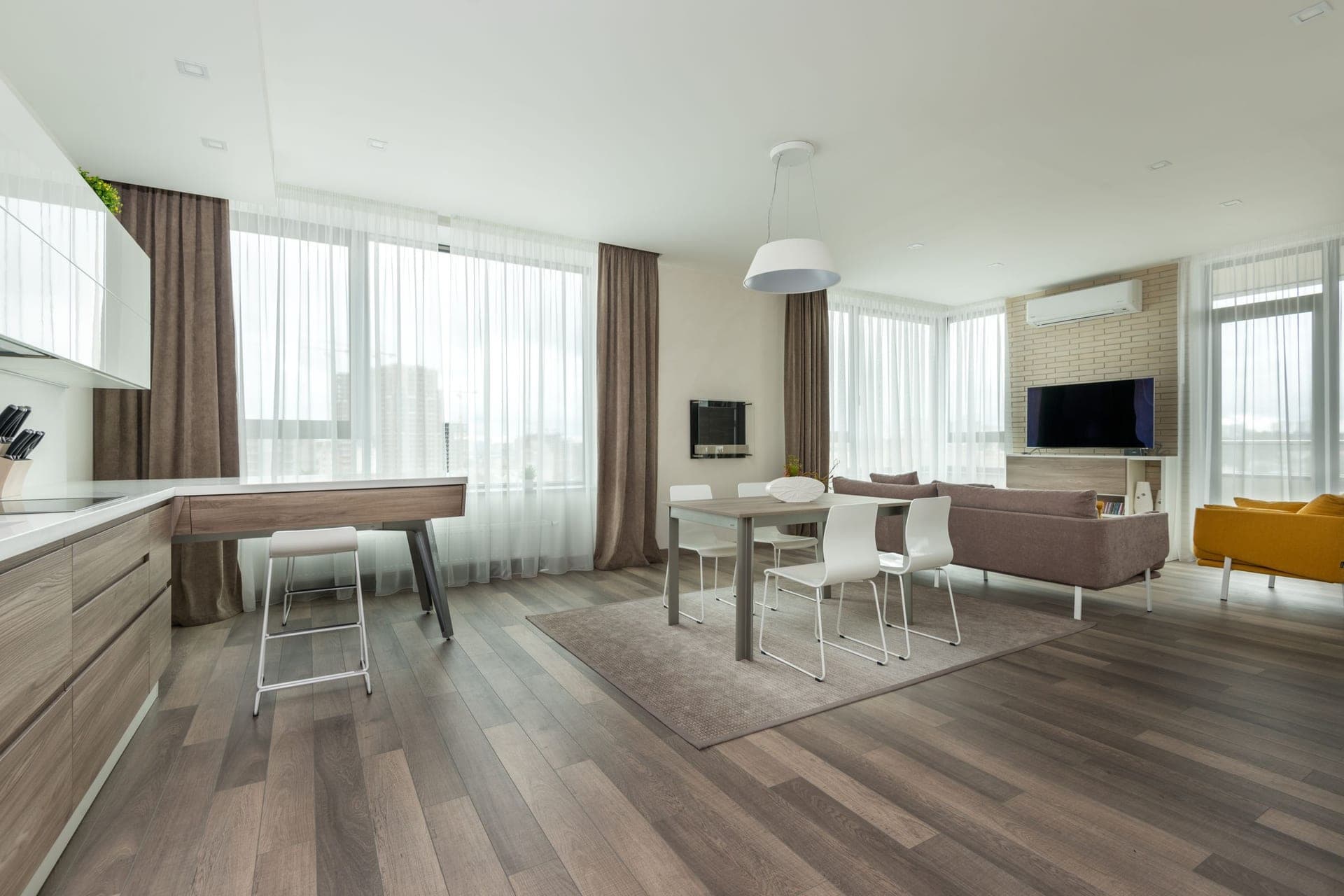
Guide
Why capacity alone fails in an open plan, what fan span is actually worth, and how to handle the kitchen that lives inside it.
Guide
How to prepare one reliably cool room, why a fan stops working above about 95 degrees, and the signs that mean call for help.
Top pick
Midea Window Heat Pump Air Conditioner, 9,500 BTU

Guide
What survives guest use, which controls to remove, and the equipment that keeps a listing comfortable without daily attention.
Top pick
GE Profile ClearView Smart Window Air Conditioner, 10,300 BTU

Guide
Why vaulted rooms stratify, how to mix the air back down, and what to size cooling against when the ceiling is not flat.
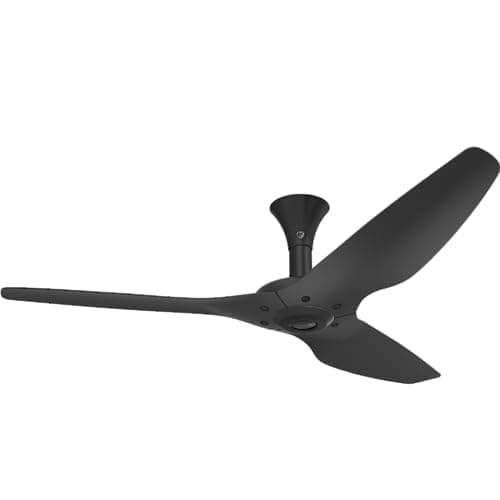
Top pick
Big Ass Fans Haiku 60" Low-Mount Ceiling Fan
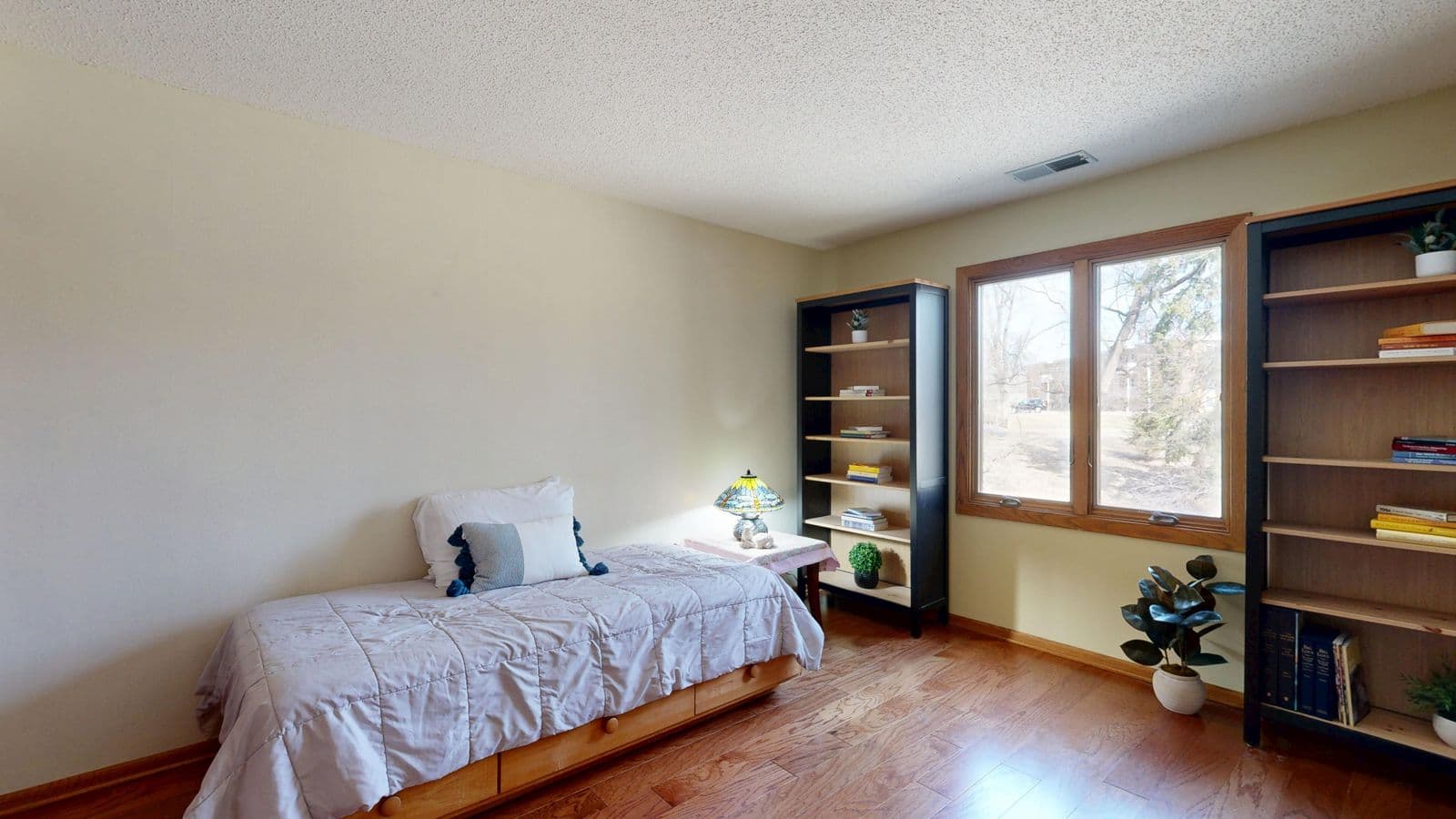
Guide
Why a shut-up spare room smells, the order to fix it in, and four inexpensive pieces of kit — one of which publishes its decibel rating.
Top pick
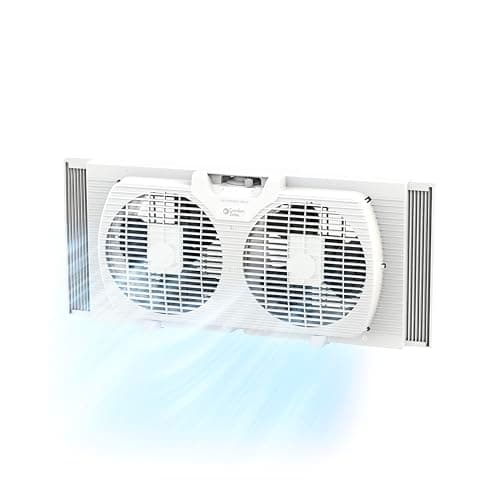
Comfort Zone 9" Twin Window Fan
Questions people actually ask
Usually sun through glass heating the room's mass, radiant heat from a hot attic above, heat generated by appliances inside the room, or air that does not arrive or cannot escape. Touching the ceiling on a hot afternoon distinguishes the attic case, which is the one no fan can fix.
If it is cooler outside, a fan in the window blowing out with another window open on the opposite side — that exchanges the room's whole air volume rather than stirring it. If it is hotter outside, close everything, draw the blinds, turn off heat sources and aim a fan at yourself.
Yes, and it is the highest-value free step available. Sun through glass deposits heat into floors, walls and furniture, which then release it for hours. Preventing heat arriving is categorically better than removing it afterwards, because the second costs energy.
Exactly, not approximately — every watt consumed in a room becomes heat in that room. A gaming PC under load is 300 to 500 W of heater, and halogen lighting is effectively a resistive heater that emits some light. In a small or windowless room this often dominates.
Rarely, and it usually makes comfort worse. An oversized unit reaches the set temperature before it has dehumidified, shuts off, and leaves the room cold and clammy while short-cycling. It also addresses none of the underlying causes like attic heat or weak duct delivery. Size it properly instead.
Only once the outdoor temperature is genuinely below your indoor temperature, checked on a thermometer rather than by feel. Evening air feels cool long before it is, and in many climates the crossover comes at 9 or 10pm rather than at dusk.
Sources