The picks
The best dehumidifier for a basement
Every other room runs a dehumidifier in bursts. A basement runs it against a water source that does not stop, which changes what you should buy.
By Sawyer V. · Published
The short answer
Buy for continuous drainage first and efficiency second, because a basement runs the machine for months rather than hours. In the 45 to 60 pint class the efficiency leader is 2.20 L/kWh at 471 kWh a year against 526 kWh for the mainstream units — the same water for $10 less a year. If the damp never clears, a whole-home unit at 3.26 L/kWh is the real answer.
Fan & Frost earns a commission when you buy through our links, at no cost to you. It never changes a ranking, and we say so when the right answer is the cheaper unit or nothing at all. Full disclosure · How we pick.
At a glance
The picks, ranked
Tap any row to jump to the full reasoning. Prices are live from Amazon where we have them, and read “check price” where we don’t — never a number we cannot verify today.
| # | Product | Best for | Price |
|---|---|---|---|
| 1 | Best overall Waykar Dehumidifier, 49 pints/day 49.43 pints a day at 2.20 L/kWh and 471 kWh a year — full capacity without the usual efficiency penalty. | A typical damp basement running the machine most of the year | |
| 2 | Most efficient Vellgoo Taurus Pro Dehumidifier, 45 pints/day 2.24 L/kWh — the highest of any certified portable — at 45 pints a day and 444 kWh a year. | A basement that is damp rather than genuinely wet | |
| 3 | 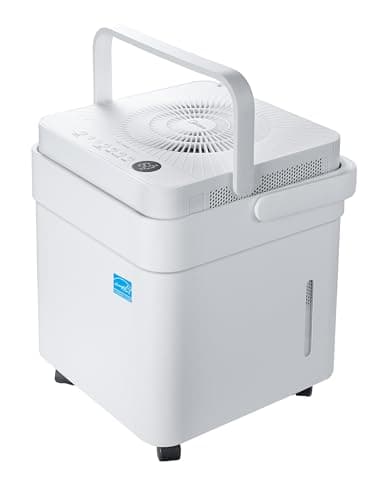 Best supported brand Midea Dehumidifier, 50 pints/day 2.08 L/kWh at 49.67 pints a day — the best figure any household-name brand reaches here. | Buyers who want a service network behind a hard-working appliance | |
| 4 | When a portable will not do Santa Fe Whole-Home Dehumidifier, 128 pints/day 3.26 L/kWh and 127.51 pints a day — 46% more efficient than any portable, and built to be plumbed in. | A basement that never dries out, or a whole-house problem |
A basement is the highest-duty application in this category, and it changes the buying criteria in ways the product listings do not mention.
Why it is different
The water source does not stop
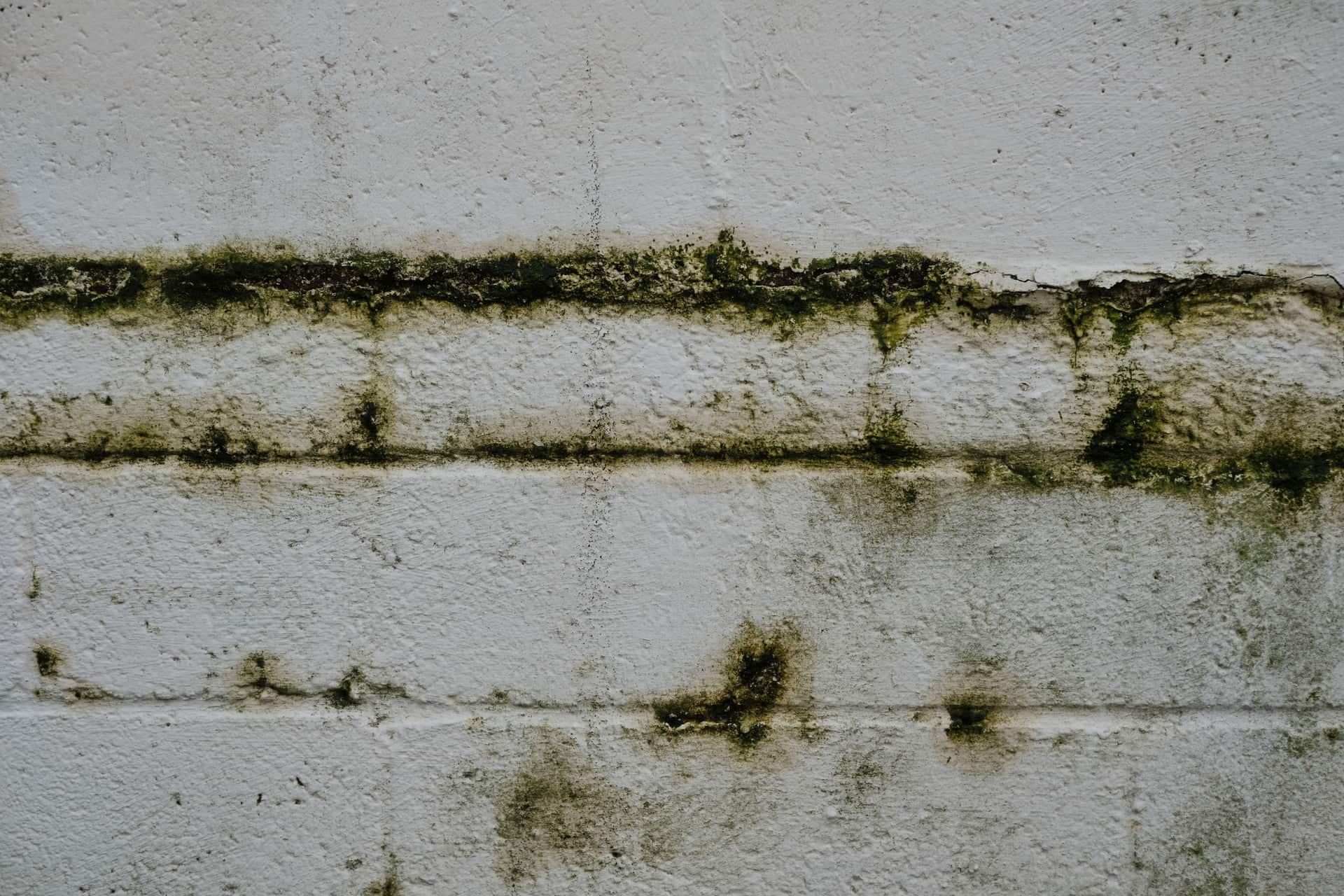
A bedroom dehumidifier deals with a finite amount of moisture — occupants breathing, a bathroom nearby — and then it reaches setpoint and cycles off. A basement is usually fighting something continuous.
- Ground moisture through concrete. Concrete is porous and slabs below grade wick water. It arrives at whatever rate the soil supplies it.
- Cooler surfaces. A basement runs colder than the rest of the house, so warm humid air migrating down condenses on walls and floors rather than staying airborne.
- Poor air exchange. Fewer openings, less stack-driven flow, so nothing carries moist air out on its own.
- Whatever is stored down there. Damp cardboard and fabric hold water and release it slowly.
Which means the machine runs for months, not hours — and that turns efficiency from a nice-to-have into the main cost driver, and turns the tank into a liability.
The decision that matters most
Plumb the drain
The most common reason a basement dehumidifier “stops working” is that the tank filled and the unit shut off, usually two days ago.
A 50-pint unit at full output fills a typical tank in well under a day. In a genuinely damp basement, emptying it by hand is a chore nobody keeps up with, and every hour the machine is off is an hour the humidity climbs back.
- Gravity drain to a floor drain or sump if one sits below the unit’s drain port. Simplest and most reliable.
- Raise the unit on a stand or shelf to create the fall you need. Cheap, and it also gets the intake out of the dust.
- A built-in or external condensate pump if the drain is above the unit. This is the usual answer in a basement with no floor drain.
- Check the hose route for kinks and low spots. A trapped section fills, backs up and triggers the full-tank cutout even with a hose attached.
None of this is in the certified data, and all of it decides whether the machine you bought actually runs.
Sizing
Undersizing is the expensive mistake here
This is the opposite of the air conditioner rule, and it catches people who have read our sizing guidance for cooling.
An oversized air conditioner short-cycles: it cools the air quickly, shuts off before it has removed much moisture, and leaves the room cold and clammy. That is why oversizing is penalised there.
A dehumidifier has no equivalent failure. An oversized one reaches setpoint faster and then cycles off, and cycling costs it very little. An undersized one, by contrast, runs continuously against a load it cannot meet, never reaches setpoint, and uses more energy than the bigger machine would have while delivering a worse result.
In a basement, if you are between two sizes, take the larger one. The full sizing method.
Running cost
What continuous running actually costs
The certified annual figures assume standard test usage. A basement unit frequently exceeds them, which makes the efficiency spread matter more here than anywhere else in the category.
| Unit | Pints/day | IEF | kWh/yr | Year |
|---|---|---|---|---|
| Vellgoo Taurus Pro | 45.00 | 2.24 | 444 | $81 |
| Waykar CTH150D | 49.43 | 2.20 | 471 | $86 |
| Midea MDUDMB-50 | 49.67 | 2.08 | 515 | $94 |
| Frigidaire FHDD5033Y1 | 49.95 | 2.01 | 520 | $95 |
| Danby DDR050BL3BDB | 49.74 | 2.01 | 525 | $96 |
| LG DT501BKR0 | 49.81 | 2.01 | 526 | $96 |
| Hisense AZHDTL50P | 49.89 | 2.01 | 526 | $96 |
| Whirlpool WHHD501AW | 50.00 | 2.01 | 530 | $97 |
Every unit in that table removes essentially the same amount of water. The spread from top to bottom is 86 kWh a year, or $16 — and it repeats every year the machine is in service, for a difference you cannot see anywhere on a retail listing.
This one is not a DIY job
Persistent basement damp is a building problem, and a dehumidifier is not the fix. If the machine runs continuously and the space never dries, water is entering faster than it is being removed.
The things that actually solve that are outside this site’s scope: exterior grading and drainage, gutter and downspout discharge, foundation sealing, a working sump. Those belong to a qualified contractor.
Standing water, efflorescence spreading across walls, or visible mold over a large area are reasons to have the building assessed rather than to buy a bigger appliance.
Health effects of damp and mold are a medical question. We can tell you what these machines remove; we cannot advise on exposure.
Practical
Getting a basement unit right
- Plumb the drain before you plug it in. Everything else is secondary.
- Get it off the floor. Both to create drainage fall and to keep the intake out of floor-level dust.
- Give it clearance. These pull air in and push it out; jammed against a wall behind boxes, it recirculates its own exhaust.
- Set a realistic target. Chasing a very low humidity setting in a basement just means the machine never stops.
- Clean the filter. A basement is a dusty environment and a blocked filter cuts airflow across the coil, which cuts water removal.
- Watch for a frozen coil. In an unheated basement in cold weather, some units ice up. Check whether yours has an auto-defrost and what its minimum operating temperature is.
Say the unwelcome thing
Do not run a basement dehumidifier on its tank.
It is the default setup and it is why so many basement dehumidifiers sit switched off with a full reservoir.
A 50-pint unit removing anything near its rated capacity fills a typical tank in less than a day. In a genuinely damp basement that is a twice-daily chore, and the hours it spends full are hours the humidity is climbing back to where it started.
Every unit here accepts a drain hose. Route it to a floor drain or sump, raise the machine to get the fall, or use a condensate pump if the drain is higher than the outlet.
Then buy for efficiency, because it runs constantly: 2.20 L/kWh at 471 kWh a year or 2.24 at 444.
In full
Every pick, and what is wrong with it
Published specifications only, each linked to the page it came from. Where a manufacturer publishes nothing, the row says so — we do not fill blanks in.
1. Best overall
Waykar Dehumidifier, 49 pints/day
Waykar · model CTH150D
49.43 pints a day at 2.20 L/kWh and 471 kWh a year — full capacity without the usual efficiency penalty.
A basement is the one room where the running-cost difference between two 50-pint units actually compounds, because the machine is not sitting idle for most of the year.
2.20 L/kWh against the 2.01 that every mainstream 50-pint unit manages. Over a season that is 471 kWh versus 515 to 530 for the same water removed — about $10 a year at 18.34¢/kWh.
49.43 pints a day is genuine basement capacity, and it is Most Efficient certified — one of only 5 units in the 155-strong 45 to 60 pint band to reach that bar.
Plumb the drain rather than using the tank. That is the single decision that determines whether a basement dehumidifier works or sits full.
What’s wrong with it
It is an online-native brand, and no dehumidifier publishes a noise rating in the certified data.
Running cost — CTH150D
| Annual energy use | 471 kWh | ENERGY STAR certified figure |
|---|---|---|
| Annual cost | $86 | 471 × 18.34¢/kWh |
| Per cooling month | $22 | spread over a four-month season |
The annual figure is the certified value from the ENERGY STAR Certified Dehumidifiers dataset, which models a standard cooling season rather than your actual summer. It is more useful than a nameplate wattage here, because a variable-speed compressor spends most of its life well below nameplate.
Rate: 18.34¢/kWh, the US average residential price for June 2026 (EIA Electric Power Monthly, Table 5.3). Yours will differ — swap it in: (watts ÷ 1000) × hours × your rate.
| Water removal | 49.43 pints/day (DOE Appendix X1) |
|---|---|
| Efficiency (IEF) | 2.20 L/kWh |
| Annual energy use | 471 kWh/yr |
| Refrigerant | HFC-32 (GWP 675) |
| Connected | No |
| Noise | Not published in the certified dataset |
| ENERGY STAR | Certified, and on the Most Efficient list |
Every figure above is from ENERGY STAR Certified Dehumidifiers dataset. Blanks are shown as “not published” rather than filled in.
2. Most efficient
Vellgoo Taurus Pro Dehumidifier, 45 pints/day
Vellgoo · model TAURUS PRO-RCS50(Y)-N4-3-25
2.24 L/kWh — the highest of any certified portable — at 45 pints a day and 444 kWh a year.
The efficiency leader of the entire certified portable field, and the right call when the basement is persistently humid rather than actively wet.
2.24 L/kWh and 444 kWh a year, about $81 at 18.34¢/kWh — the cheapest way to remove a given amount of water from a portable machine.
45.00 pints a day under the DOE test. That is about 9% less capacity than a 49-pint unit, which is immaterial in most basements and matters in a few.
Most Efficient certified, HFC-32 refrigerant. If you are unsure between this and the Waykar, size the room honestly and take the capacity if it is close.
What’s wrong with it
45 pints is slightly less capacity than the 50-pint class, which matters in a wet basement.
Running cost — TAURUS PRO-RCS50(Y)-N4-3-25
| Annual energy use | 444 kWh | ENERGY STAR certified figure |
|---|---|---|
| Annual cost | $81 | 444 × 18.34¢/kWh |
| Per cooling month | $20 | spread over a four-month season |
The annual figure is the certified value from the ENERGY STAR Certified Dehumidifiers dataset, which models a standard cooling season rather than your actual summer. It is more useful than a nameplate wattage here, because a variable-speed compressor spends most of its life well below nameplate.
Rate: 18.34¢/kWh, the US average residential price for June 2026 (EIA Electric Power Monthly, Table 5.3). Yours will differ — swap it in: (watts ÷ 1000) × hours × your rate.
| Water removal | 45.00 pints/day (DOE Appendix X1) |
|---|---|
| Efficiency (IEF) | 2.24 L/kWh |
| Annual energy use | 444 kWh/yr |
| Refrigerant | HFC-32 (GWP 675) |
| Connected | No |
| Noise | Not published in the certified dataset |
| ENERGY STAR | Certified, and on the Most Efficient list |
Every figure above is from ENERGY STAR Certified Dehumidifiers dataset. Blanks are shown as “not published” rather than filled in.
3. Best supported brand
Midea Dehumidifier, 50 pints/day
Midea · model MDUDMB-50AEN8-BB0F
2.08 L/kWh at 49.67 pints a day — the best figure any household-name brand reaches here.
A basement dehumidifier works harder than almost anything else you own, and that is a legitimate argument for buying a name with parts and support behind it.
2.08 L/kWh is the highest of any household brand in the certified set. Every other familiar name — Hisense, Frigidaire, LG, Whirlpool, Danby, GE — stops at 2.01.
49.67 pints a day and 515 kWh a year, roughly $94 at 18.34¢/kWh. That is $8.07 a year more than the Waykar for effectively the same water.
Whether that premium is worth it depends on how much you value a repair path on a machine that runs continuously. We think it is a defensible trade, and we would not pretend the efficiency data supports it.
What’s wrong with it
515 kWh a year, and it does not carry the Most Efficient designation.
Running cost — MDUDMB-50AEN8-BB0F
| Annual energy use | 515 kWh | ENERGY STAR certified figure |
|---|---|---|
| Annual cost | $94 | 515 × 18.34¢/kWh |
| Per cooling month | $24 | spread over a four-month season |
The annual figure is the certified value from the ENERGY STAR Certified Dehumidifiers dataset, which models a standard cooling season rather than your actual summer. It is more useful than a nameplate wattage here, because a variable-speed compressor spends most of its life well below nameplate.
Rate: 18.34¢/kWh, the US average residential price for June 2026 (EIA Electric Power Monthly, Table 5.3). Yours will differ — swap it in: (watts ÷ 1000) × hours × your rate.
| Water removal | 49.67 pints/day (DOE Appendix X1) |
|---|---|
| Efficiency (IEF) | 2.08 L/kWh |
| Annual energy use | 515 kWh/yr |
| Refrigerant | HFC-32 (GWP 675) |
| Connected | No |
| Noise | Not published in the certified dataset |
| ENERGY STAR | Certified |
Every figure above is from ENERGY STAR Certified Dehumidifiers dataset. Blanks are shown as “not published” rather than filled in.
4. When a portable will not do
Santa Fe Whole-Home Dehumidifier, 128 pints/day
Santa Fe · model 4047300
3.26 L/kWh and 127.51 pints a day — 46% more efficient than any portable, and built to be plumbed in.
If a 50-pint portable has been running continuously and the basement is still damp, the answer is not a second portable.
3.26 L/kWh against 2.24 for the best portable. Whole-home units as a class run a median of 2.30 against the portable median of 2.01, so this is structural rather than one exceptional machine.
127.51 pints a day — roughly two and a half times a 50-pint portable — at 842 kWh a year, about $154 at 18.34¢/kWh. Higher in absolute terms, substantially lower per unit of water.
Most Efficient certified. It is a permanent installation with a plumbed drain and, in ducted configurations, connection to the air handler. What the step up involves.
What’s wrong with it
842 kWh a year and a contractor installation. This is a project, not a purchase.
Running cost — 4047300
| Annual energy use | 842 kWh | ENERGY STAR certified figure |
|---|---|---|
| Annual cost | $154 | 842 × 18.34¢/kWh |
| Per cooling month | $39 | spread over a four-month season |
The annual figure is the certified value from the ENERGY STAR Certified Dehumidifiers dataset, which models a standard cooling season rather than your actual summer. It is more useful than a nameplate wattage here, because a variable-speed compressor spends most of its life well below nameplate.
Rate: 18.34¢/kWh, the US average residential price for June 2026 (EIA Electric Power Monthly, Table 5.3). Yours will differ — swap it in: (watts ÷ 1000) × hours × your rate.
| Water removal | 127.51 pints/day (DOE Appendix X1) |
|---|---|
| Efficiency (IEF) | 3.26 L/kWh |
| Annual energy use | 842 kWh/yr |
| Unit type | Whole-home (ducted or free-standing install) |
| Noise | Not published in the certified dataset |
| ENERGY STAR | Certified, and on the Most Efficient list |
Every figure above is from ENERGY STAR Certified Dehumidifiers dataset. Blanks are shown as “not published” rather than filled in.
Questions people actually ask
Frequently asked
What size dehumidifier do I need for a basement?
Most basements want the 45 to 60 pint class. If you are between two sizes, take the larger — unlike an air conditioner, an oversized dehumidifier simply cycles off, while an undersized one runs continuously, never reaches setpoint and uses more energy for a worse result. The sizing method.
Should a basement dehumidifier drain continuously?
Yes, always. A 50-pint unit fills a typical tank in under a day, and the most common reason one 'stops working' is that it shut off on a full tank two days ago. Route a hose to a floor drain or sump, raise the unit for fall, or use a condensate pump.
How much does a basement dehumidifier cost to run?
Certified 50-pint units run 471 to 530 kWh a year, which is $86 to $97 at 18.34¢/kWh. A basement unit frequently exceeds the certified figure because it runs against a continuous water source rather than the standard test load.
Is a bigger dehumidifier better for a basement?
Generally yes, within reason. There is no short-cycling penalty the way there is with an oversized air conditioner, and a machine with headroom reaches setpoint and rests instead of running flat out indefinitely.
My basement is still damp with the dehumidifier running. What now?
Water is arriving faster than it is being removed, and that is a building problem rather than an appliance one. Grading, drainage, downspout discharge, foundation sealing and a working sump are the fixes, and they belong to a contractor.
When should I get a whole-home dehumidifier instead?
When a 50-pint portable running continuously cannot keep up, or when the damp is not confined to one room. Whole-home units run 3.26 L/kWh at the top against 2.24 for the best portable, and remove two and a half times the water — but they are a plumbed installation. Large-capacity options.
Sources
Where these numbers came from
Read next
Where to go from here
Back to Dehumidifiers, or read how we pick.