
Guide
What size air conditioner do I need?
Measure, read the ENERGY STAR table, apply the four adjustments, correct for SACC. The sizing walkthrough, with the official table.
Top pick
Midea U-Shaped Window Air Conditioner, 6,000 BTU
Guides & Calculators
These are the reference pages. Every number elsewhere on the site is computed with the formulas here, and all of them are published so you can check our work.
The short answer
Two formulas run this entire site. Sizing: room area in square feet, read against the ENERGY STAR table, adjusted for sun, occupancy and kitchens. Running cost: (watts ÷ 1000) × hours × your rate. Both are published here with their sources so you can reproduce any number we print.
Fan & Frost earns a commission when you buy through our links, at no cost to you. It never changes a ranking, and we say so when the right answer is the cheaper unit or nothing at all. Full disclosure · How we pick.
Start here
This section is the reference material the rest of the site is built on. Every cost figure, every sizing recommendation and every capacity claim elsewhere on Fan & Frost comes from one of the formulas here — and all of them are published rather than asserted, so you can check any number with a calculator.
That reproducibility is the whole point. We have not tested any of these products, and we say so on every page. What we do instead is compile published specifications and do arithmetic in public. A site you can check is worth more than a site that tells you it has a lab.
Formula one
(watts ÷ 1000) × hours × your rate per kWh
We use 18.34¢/kWh, the US average residential price of electricity for June 2026, from the EIA Electric Power Monthly, Table 5.3. It is cited and dated on every block that uses it and refreshed monthly.
Your rate is almost certainly not the national average. US residential rates vary by more than a factor of two between states, which is precisely why we print the formula next to every answer rather than the answer alone. Take the rate off your own bill and substitute it.
Worked once, so the tables elsewhere are obvious:
One important refinement. Where ENERGY STAR publishes a certified annual kWh figure — as it does for every certified window air conditioner — we use that instead of a nameplate calculation. A variable-speed compressor spends most of its life well below nameplate, so multiplying nameplate by hours would substantially overstate the bill. The certified figure already models a standard cooling season.
Formula two
Not a formula so much as a table, and it is the official one. Most pages online give you “20 BTU per square foot”, which is close enough in the middle of the range and meaningfully wrong at both ends.
| Room area (sq ft) | Capacity needed (BTU/h) |
|---|---|
| 100 up to 150 | 5,000 |
| 150 up to 250 | 6,000 |
| 250 up to 300 | 7,000 |
| 300 up to 350 | 8,000 |
| 350 up to 400 | 9,000 |
| 400 up to 450 | 10,000 |
| 450 up to 550 | 12,000 |
| 550 up to 700 | 14,000 |
Source: ENERGY STAR, Room Air Conditioners. ENERGY STAR notes the capacities “are calculated based on an 8-foot ceiling.” The full chart, with the adjustments.
The relationship is not linear: 150 sq ft works out at about 33 BTU per square foot, while 2,500 sq ft is about 14. Small rooms need proportionally more, because the walls, ceiling and windows — where heat actually enters — do not shrink as fast as the floor area does. Since small rooms are the common case, the rule of thumb misleads most people who use it.
Then four adjustments, all quoted verbatim from ENERGY STAR:
The kitchen adjustment is the one people skip and the largest. An oven and cooktop are space heaters that happen to make dinner, and a 250 sq ft open-plan kitchen-diner needs 11,000 BTU rather than 7,000.
Do not round up to be safe. ENERGY STAR: an oversized air conditioner “costs more to purchase, wastes energy and does not provide better cooling.” It reaches temperature before it has removed humidity, shuts off, and leaves the room cold and clammy. The full walkthrough with four worked rooms is here.
The correction
A portable air conditioner’s box figure is measured under a standard that ignores the heat its exhaust duct radiates back into the room and the outdoor air that infiltrates to replace what it blew out. SACC — the DOE-rated Seasonally Adjusted Cooling Capacity, defined at 10 CFR part 430, appendix CC — subtracts both.
Size a portable from SACC, not from the box. And note that the reduction is not a fixed ratio, which is the part almost nobody publishes: two units both sold as 14,000 BTU are DOE-rated at 12,000 and 9,500 by their own manufacturers — a 14% haircut against a 32% one. The mechanism and the evidence are here.
Where the numbers come from
Every figure on this site is one of three things — a published manufacturer specification, an official standards or certification figure, or arithmetic we performed and showed. There is no fourth category. These are the official sources:
What we will not publish
Two gaps on this site are deliberate, and both are worth knowing about because they are the kind of thing other pages fill in with a guess.
The SACC weighting factors. SACC is a weighted average of adjusted cooling capacity measured at two test conditions. Two independent attempts to confirm those weighting factors and test temperatures against the primary regulation returned conflicting figures, and the government sites that hold the authoritative text block automated access. So the SACC page publishes the mechanism and cites appendix CC, and states no weighting number at all.
Wattages nobody publishes. Vornado publishes no wattage or CFM for its air circulators; Lasko publishes none for its 18-inch pedestal fan; Midea publishes none for the Duo portable AC. Where that happens, our spec tables say “not published” and no running cost is computed. We would rather have a visible hole in a table than a plausible-looking number nobody stated.
If you can point us at a published figure we recorded as missing, we would genuinely like to hear it — those blanks are the least satisfying thing on the site.
Everything in Guides & Calculators
Prices are live from Amazon where we hold them and read “check price” where we don’t. Nothing here shows a number we cannot verify today.
Guide
Measure, read the ENERGY STAR table, apply the four adjustments, correct for SACC. The sizing walkthrough, with the official table.
Top pick
Midea U-Shaped Window Air Conditioner, 6,000 BTU

Guide
The complete official sizing chart from 100 to 2,500 sq ft, plus common room dimensions pre-calculated.
Top pick
Midea U-Shaped Window Air Conditioner, 6,000 BTU

Guide
Two real 14,000 BTU units are DOE-rated at 12,000 and 9,500. The mechanism, the sources, and which number to size from.
Top pick
Midea Duo Smart Inverter Portable Air Conditioner
Guide
Hour, night and month costs for a real 1,300 W portable, and the certified comparison against a window unit.
Top pick
Whynter ARC-14S Dual Hose Portable Air Conditioner
Guide
The wattage-to-dollars table from 2 W to 1,500 W, plus real published wattages for eight actual fans.
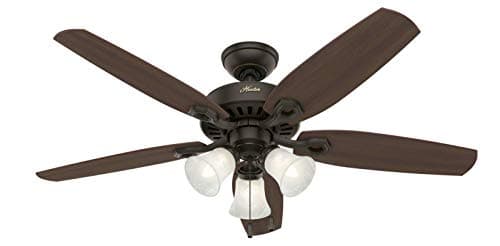
Top pick
Hunter Vespucci 52" Ceiling Fan
Guide
Six cooling categories compared on what they physically do, what they cost to run, and the one condition each needs to work.
Top pick
Hunter Vespucci 52" Ceiling Fan
Head to head
The mechanism, and an analysis of 11,494 certified records showing cooling efficiency barely predicts cold-weather heating.
Top pick
GE Profile ClearView Window Air Conditioner, 8,000 BTU
Head to head
Why single-hose units lose capacity, and seven published SACC figures showing the haircut varies far more than hose count explains.
Top pick
Midea Duo Smart Inverter Portable Air Conditioner
Guide
Certified running costs from 1.1 W to 1,300 W, ranked — and why the cheapest is not always the answer.
Top pick
Hunter Martindale 44" Ceiling Fan

Guide
Every metric in home cooling decoded, which program certifies each, and the four traps in reading them.
Top pick
GE Profile ClearView Window Air Conditioner, 8,000 BTU
Head to head
GWP figures for the three refrigerants, the complete room AC conversion, and why mini-splits went a different way.
Top pick
GE Profile ClearView Window Air Conditioner, 8,000 BTU

Guide
What each label certifies, and our count of how selective Most Efficient actually is across five categories.
Top pick
GE Profile ClearView Window Air Conditioner, 8,000 BTU

Guide
The evaporation mechanism, and how it determines whether a fan, an evaporative cooler or an air conditioner is right for you.
Top pick
Midea Window Air Conditioner, 6,000 BTU

Guide
Every lever ranked by measurable effect, from free scheduling to why capacity matters more than the efficiency rating.
Top pick
Hunter Martindale 44" Ceiling Fan

Guide
Certified kWh figures for room-scale and house-scale cooling, and the capacity-efficiency trade the dataset shows.
Top pick
Midea Window Air Conditioner, 6,000 BTU

Guide
Why afternoon cooling costs more per degree, how pre-cooling works, and the 22 W night-purge alternative.
Top pick
Midea Window Air Conditioner with Heat, 8,000 BTU

Guide
Certified annual kWh for nineteen window units, costed at the current rate, plus what the figure does and does not include.
Top pick
Midea Window Air Conditioner, 6,000 BTU

Guide
Why closing registers backfires on a ducted system, what it does to duct leakage, and the per-room alternative.
Top pick
Hunter Vespucci 52" Ceiling Fan

Guide
What shading is worth in certified kWh, external versus internal, and the sizing step it buys you.
Top pick
Midea Window Air Conditioner, 6,000 BTU

Guide
The measured standby cost of connected fans, what scheduling actually saves, and why air conditioners are the exception.
Top pick
Lasko Aria 40" Smart Wi-Fi Tower Fan

Guide
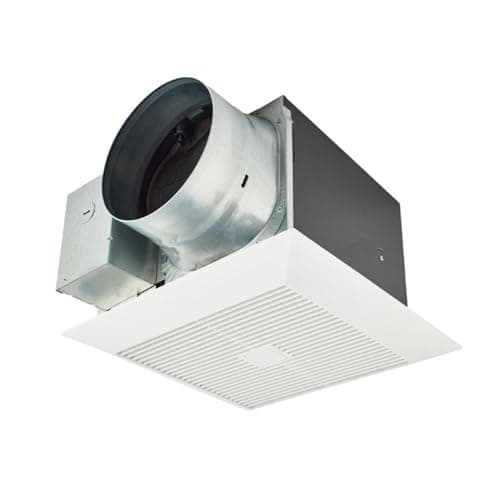
Which cooling categories ventilate, which recirculate, which depressurize, and what the filters are actually for.
Top pick
Panasonic WhisperGreen Select FV-0511VK3 Ventilation Fan

Guide
A spring start-up and autumn shutdown sequence, with the maintenance that actually changes performance.

Top pick
Hessaire CP370 Media Pad Set

Guide
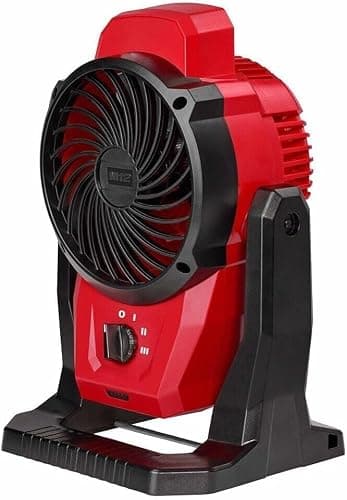
What battery fans actually deliver, why closing the house matters most, and the carbon monoxide rule.
Top pick
Milwaukee M12 Mounting Fan
Head to head
Why every certified unit is now an inverter, what the compressor actually does differently, and the spec that replaced it as the real decision.
Top pick
Midea Window Heat Pump Air Conditioner, 9,500 BTU
Guide
The recommended setpoints, the arithmetic behind setting it back, and the fan trick that makes a higher setpoint liveable.
Top pick
Hunter Martindale 44" Ceiling Fan
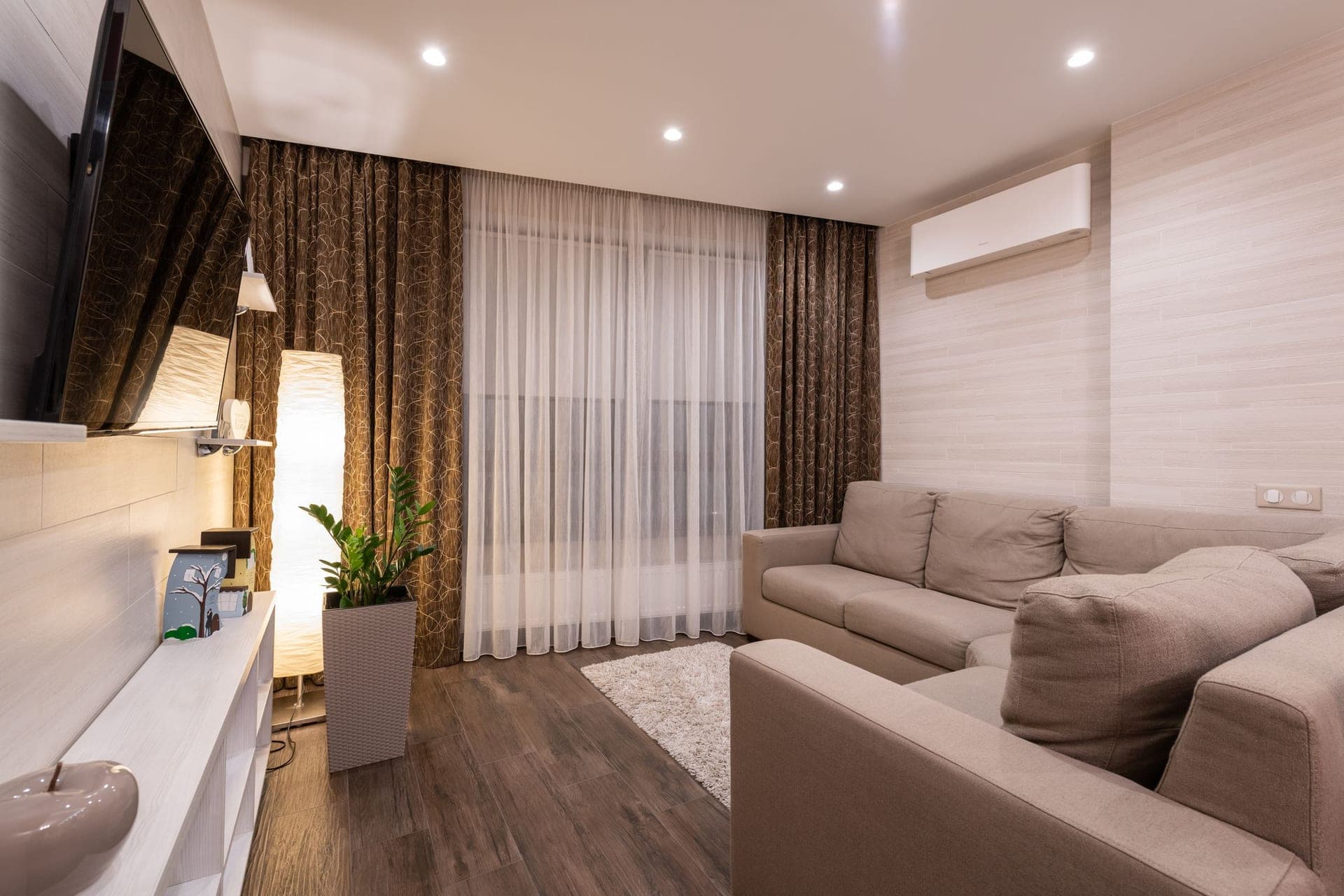
Guide
Why no portable is certified, what the hose arrangement actually costs you, and the four situations where it is still correct.
Top pick
Whynter ARC-14S Dual Hose Portable Air Conditioner
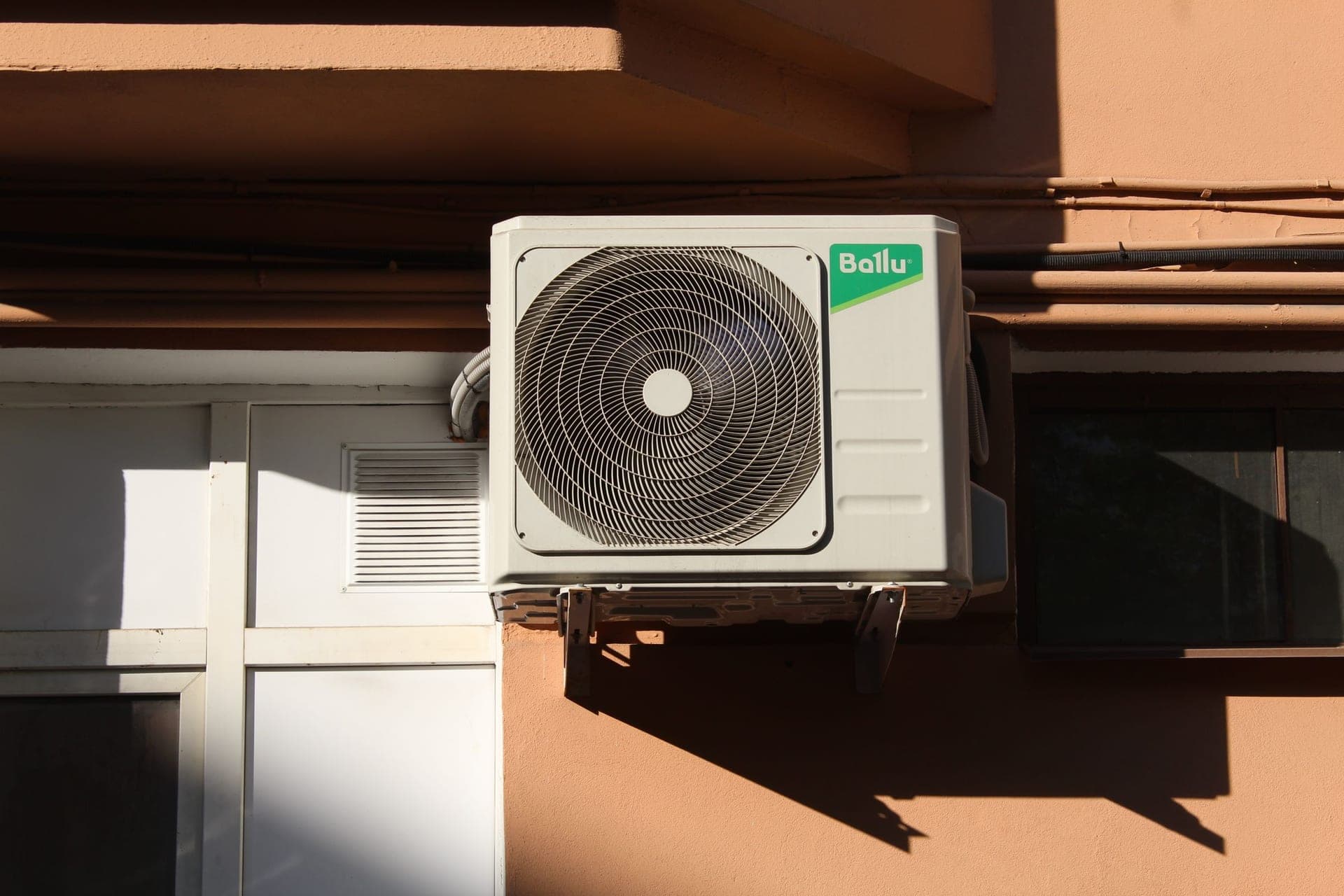
Head to head
What refrigeration actually is, why a fridge is a net heater, and which appliance does which job in a hot house.
Top pick
Midea Window Heat Pump Air Conditioner, 9,500 BTU

Guide
Why a heat wave is different from a hot day, the order to do things in, and the warning signs that stop being a comfort problem.
Top pick
Hunter Martindale 44" Ceiling Fan

Guide
Why cooling matches solar output better than any other load, how to work out what your equipment actually draws, and where solar-powered cooling stops making sense.
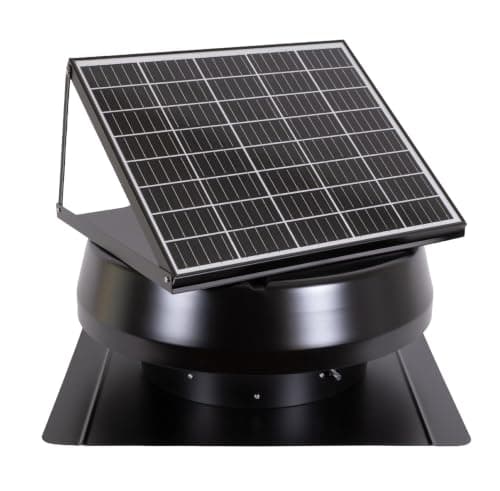
Top pick
iLIVING 14" Solar Roof Attic Exhaust Fan
Head to head
Certified per-room figures, where room units win, and the point at which ducted or ductless whole-home cooling takes over.
Top pick
GE Profile ClearView Smart Window Air Conditioner, 10,300 BTU
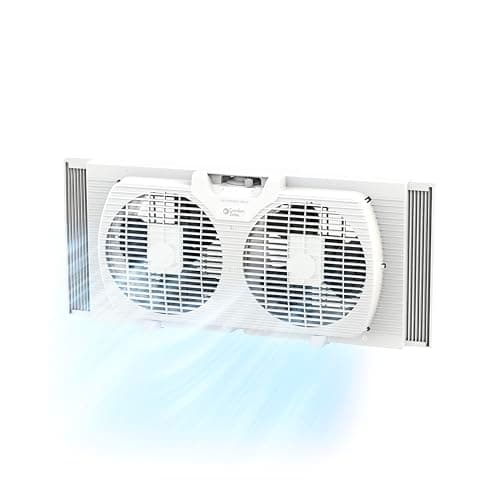
Best cooling under $100
What a small budget genuinely buys in home cooling, what it cannot, and the four machines worth the money.
Top pick
Comfort Zone 9" Twin Window Fan
Guide
What each ductless route costs to run, which rooms to do first, and the retrofit that is almost never worth it.
Top pick
Hisense Mini-Split Heat Pump, 9,000 BTU

Guide
Which machines remove water, which add it, and the buying order for a house where humidity is the real problem.
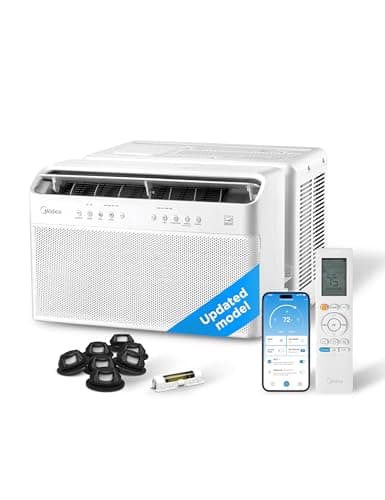
Top pick
Midea U-Shaped Window Air Conditioner, 8,000 BTU

Guide
Why glass goes wet, the EPA's published humidity target, what a liter of removal costs, and the five sources to cut before you buy anything.
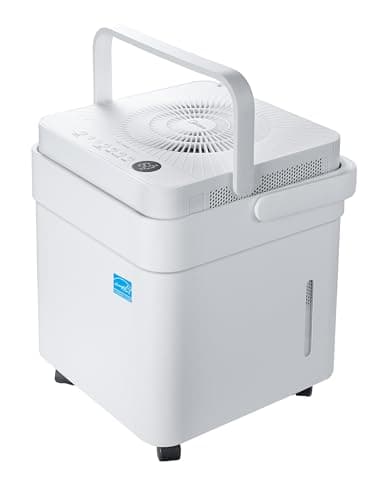
Top pick
Midea Dehumidifier, 50 pints/day
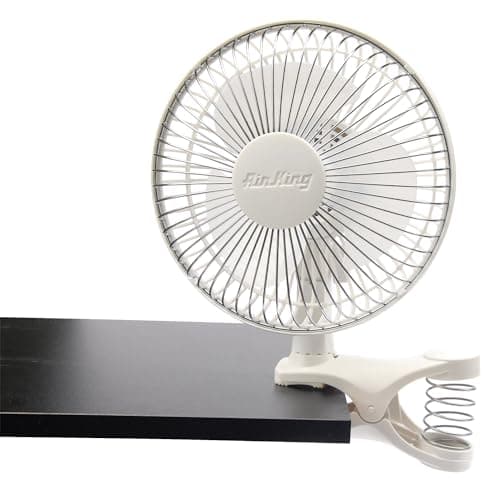
Best cooling gift
Cooling gifts that need no window, no tools and no decisions, ranked on published airflow, watts and decibels — plus the costly one that publishes neither.
Top pick
Air King 6" Commercial Grade Clip-On Fan
Questions people actually ask
Divide its wattage by 1,000, multiply by hours, multiply by your electricity rate. At 18.34¢/kWh, a 49 W fan for eight hours costs about 7.2¢, and a 1,300 W portable air conditioner about $1.91. Your rate is on your bill and varies widely by state.
About 20 BTU per square foot as a rough average, but the relationship is not linear — the ENERGY STAR table works out to roughly 33 BTU per square foot at 150 sq ft and about 14 at 2,500. Use the table rather than the rule, especially for small rooms. The full chart.
We use 18.34¢/kWh, the US average residential price for June 2026 from the EIA. Yours is on your bill and is probably different — rates vary by more than a factor of two between states, which is why we print the formula alongside every answer.
Annual kWh, where it exists. ENERGY STAR publishes a certified annual energy figure for every certified window unit, which already accounts for the compressor cycling across a season. Multiplying nameplate wattage by hours substantially overstates consumption for a variable-speed unit.
Because the manufacturer publishes nothing for that figure. Vornado publishes no wattage or CFM for its circulators, and Midea publishes no wattage for the Duo portable. Where that happens we compute no running cost rather than estimating one.
Yes, with attribution and a link. The sizing table is ENERGY STAR's and belongs to them; the cost tables are our arithmetic at a cited rate. The calculations exist to be checked and reused — being cited is rather the point of publishing the formulas.
Sources